
Fiber markets
Brent Falls Below 100 After the US Midterms. What It Means for Polyester Fabric Quotes
Ten days ago this site wrote that crude was back above 110 and that polyester quotes would not fall this quarter. In three sessions the oil price has dropped below 100, on hopes of a US settlement with Iran and then on the US midterm result. The physical barrel has fallen with it. What changed, what has not, and how to read a polyester or poly-viscose quote this month.
Jump to section
- What moved between 30 October and 4 November
- The physical barrel fell too
- Why this is not yet a settled direction
- Tanker attacks pulled Brent back toward 100
- Brent fell to its lowest since late August
- Brent dipped below 90 for the first time since August
- How it reaches a polyester or poly-viscose quote
- What we would do as a buyer
- Frequently asked questions
What moved between 30 October and 4 November
Brent crude futures, the oil price quoted in the news, closed October up about 13.6 percent for the month. The January contract settled near 113.43 dollars a barrel on Friday 30 October. On Monday 2 November it fell about 7.6 percent, to near 104.77, after Washington and Tehran both signalled they were open to talks. CNBC reported a further fall on Tuesday 3 November, to a settlement of 103.60, on hopes of a diplomatic settlement, with Qatar mediating.
On Wednesday 4 November the January contract settled at 94.62, down about 8.7 percent on the day, as markets read the Democratic gains in the US midterm elections as raising pressure on Washington to end the conflict with Iran. It was trading near 94 in Asia on the morning of 5 November. That is a fall of roughly sixteen percent in three sessions, and it takes Brent futures below the late-September low of about 98 that this site reported at the time.
In our post of 26 October we wrote that the case for a discount on polyester-rich cloth had gone. That was accurate on the market of that week, and its headline is no longer a fair description of the oil price, which is why this is a new post rather than another dated line on the old one.
The physical barrel fell too
All autumn we have watched two oil prices: the futures contract in the news and the physical North Sea barrel that refiners and chemical makers actually buy, which the US Energy Information Administration publishes daily. In October the physical barrel ran well above the headline, and we explained why that mattered for polyester costs.
The EIA release of 4 November shows the physical price at 120.15 dollars on 30 October, 107.39 on 2 November and 107.03 on 3 November, down from 128.30 on 23 October. On 3 November that left the physical barrel about three and a half dollars above the futures settlement, against more than eleven dollars on 23 October. So this time the gap closed from the top: the barrel chemical makers buy got cheaper, not just the number in the news. The EIA series for 4 November is not yet published.
Why this is not yet a settled direction
The fall rests on expectations, not on any change at sea. CNBC reported that Iran's foreign ministry said Tehran would not accept diplomacy based on coercion, that it was unclear where talks stood, and that at least four ship attacks had been reported in and around the Strait of Hormuz since the start of November. A price driven down by a hope can be driven back up by a headline, and crude has already reversed twice this autumn: down in late September, up again through October.
So read this as a large move in the right direction for a polyester buyer, not as the end of the high-input-cost period. The test is whether Brent holds below 100 for a few weeks, and whether the physical series confirms it in the EIA releases that follow.
Tanker attacks pulled Brent back toward 100
6 November 2026: the first test came a day later. Iran's forces said several tankers struck mines or caught fire in and near the Strait of Hormuz on 4 and 5 November, and the UK maritime agency UKMTO reported attacks on oil-carrying ships still running close to a record pace. Brent futures rose 3.8 percent on 5 November to settle at 98.29, CNBC reported, and traded near 98.5 on the afternoon of 6 November, RTE reported. Brent was still on course for a fall of about 16 percent on the week, its steepest weekly fall since the start of the Covid-19 pandemic. So it is still below 100, but now only just. The advice above stands: a short validity, not a delayed order. The next EIA physical release is due on 12 November.
Brent fell to its lowest since late August
10 November 2026: the second test went the other way. On Sunday 8 November President Trump said he was highly unlikely to order fresh strikes on Iran while talks to end the conflict progressed. Brent futures settled at 92.57 dollars on Monday 9 November, down 5.85 percent on the day, CNBC reported, and kept falling after the settlement, to the lowest level since late August. Analysts quoted in the same coverage also pointed to strong flows through the Strait of Hormuz and higher OPEC output in October.
Brent futures have now settled below 100 in every session since 4 November, and 9 November was the lowest settlement of the run. US, Russian and Ukrainian negotiators are meeting in Abu Dhabi on 10 and 11 November, which markets are watching for its effect on Russian oil supply. Ship attacks around Hormuz were still being reported on the same weekend, so the reversal risk above has not gone away.
The physical series has not caught up yet: the EIA release we read stops at 3 November, at 107.03 dollars. We will add the next release when it is out. Until then the buyer reading below holds, with one change of emphasis: a review of a late-October quote on polyester-rich cloth is now a reasonable request rather than an early one, though the answer still depends on when the mill bought its yarn.
11 November 2026: the fall has now reached the chemicals polyester is made from. Trade reporting has naphtha down by up to about 11 percent, paraxylene about 8 percent and PTA about 7 percent between 3 and 5 November, and Chinese filament export offers falling sharply on 11 November. We cover that step and its timing for a fabric quote in Polyester Raw Materials Have Followed Crude Down.
Brent dipped below 90 for the first time since August
12 November 2026: on Tuesday 10 November Brent futures briefly fell below 90 dollars a barrel for the first time since August, touching a session low of 89.16, after President Trump said the conflict with Iran could end fairly soon. The contract settled down 1.17 percent at 91.49, CNBC reported, the lowest settlement of this run so far. It recovered a little over 1 percent on 11 November, with market data putting it near 93. ING strategists quoted by CNBC said the market was unwinding the geopolitical premium as Gulf oil flows recover, while the chairman of the energy consultancy FGE told CNBC he still saw no prospect of a deal. The next EIA physical release is due later on 12 November. The buyer reading below is unchanged: ask for a review of a late-October quote on polyester-rich cloth, keep validity short, and do not hold an order back waiting for the bottom.
How it reaches a polyester or poly-viscose quote
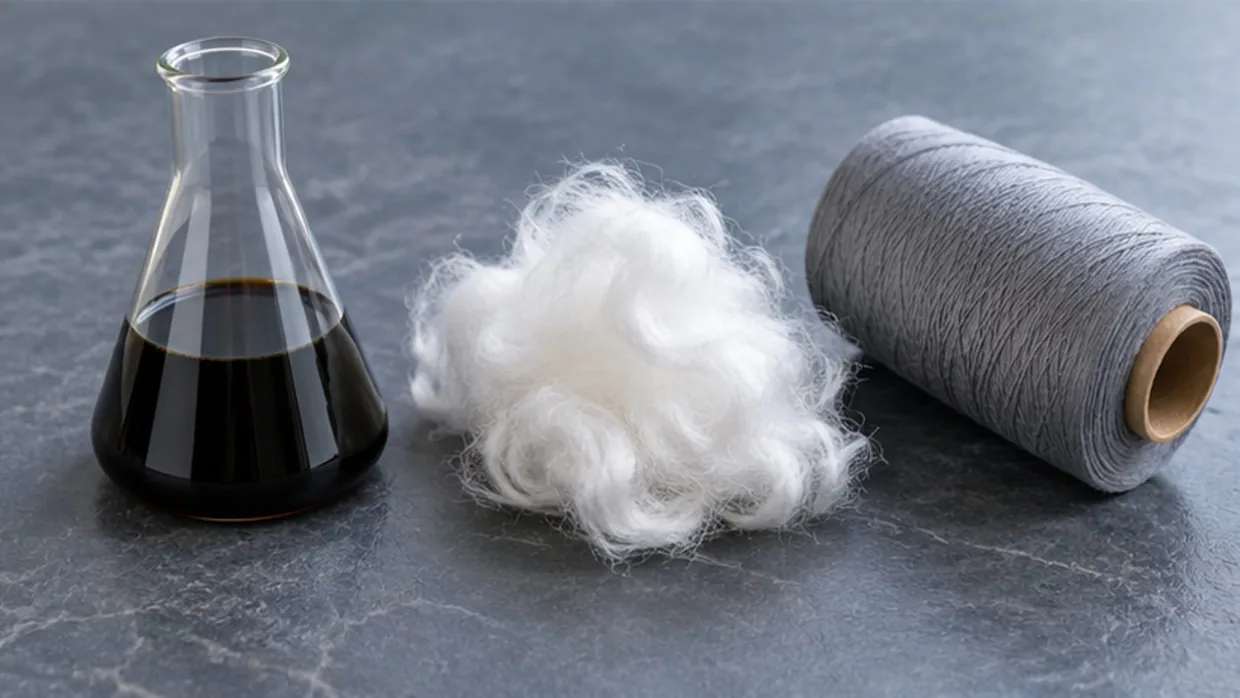
Cost travels down the chain with a lag at every stage. Crude sets the direction for paraxylene, PTA and MEG; those set polyester fiber and filament; spinners then work through yarn they already hold before buying at the new price. Weaving and processing come after that. A fall in crude this week shows up in yarn offers over the following weeks, not on the day.
This time yarn is already weak. Trade reports through late October and early November have described Indian polyester-viscose yarn as soft on thin buying, with a 4 November report headlined on polyester-viscose yarn markets weakening amid sluggish demand, and polyester filament reported on 2 November as losing its cost push. In October that softness was running against rising crude. Now crude and demand point the same way, which is what makes an easing in polyester yarn offers likely rather than possible.
Viscose is the exception. It is made from wood pulp, not oil, so the viscose share of a poly-viscose blend does not move with crude. A 65/35 poly-viscose suiting or shirting will ease less than a 100 percent polyester cloth, and a viscose-rich blend hardly at all on this news.
What we would do as a buyer
If you hold a quote on polyester-rich cloth issued in the second half of October, when crude was at its highest, it is reasonable to ask for it to be reviewed at your next order, and to expect the answer to depend on when the mill's yarn was bought. A mill weaving from yarn bought at October prices will not be able to pass on a fall it has not yet had.
Do not hold a programme back waiting for crude to fall further. Three sessions of decline on political news is not a trend a delivery date should depend on, and the same autumn has shown how fast it can reverse. Running short on a uniform programme usually costs more than a few percent on cloth.
Keep quote validity short in both directions. A short validity with a firm price lets you take the benefit if the fall holds, without the mill padding a long validity against the risk that it does not.
None of this changes a duty rate, an origin rule or the freight rate on your lane. For the cost of a specific cloth against current yarn, Request Catalog and tell us the blend and quantity.
FAQ
Frequently asked questions
- Your October post said polyester fabric would not get cheaper this quarter. Has that changed?
- The oil price it rested on has changed. Brent futures were near 115 when it was written and settled at 94.62 on 4 November. If crude holds below 100, polyester yarn offers are likely to ease over the following weeks, and quotes on polyester-rich cloth with them. The October post now points here.
- Why did oil fall so fast?
- On expectations about the conflict with Iran: first reports that Washington and Tehran were open to talks, then the US midterm result, which markets read as raising pressure to end the war. Ship attacks around the Strait of Hormuz have continued, so the fall can reverse on the next headline.
- Will poly-viscose cloth get cheaper by as much as crude fell?
- No. Crude is one input several stages back, and only the polyester share of the blend follows it. Viscose is made from wood pulp and does not move with oil. Weaving, processing and finishing costs do not change with crude at all.
- Should I wait before placing my next order?
- Only if your stock cover genuinely allows it. A fall of this size on political news can reverse within days. A short quote validity is a better way to capture an easing than delaying an order.
Sources
Primary documents
The government and inter-governmental documents behind the dates and figures above, so you can read them yourself. Anything attributed to trade press or to a research note is named in the copy rather than linked here.
- 1. US Energy Information Administration, Europe Brent Spot Price FOB (daily) (Release of 4 November 2026. Source of the physical benchmark at 128.30 dollars a barrel on 23 October and 107.03 on 3 November 2026.)
Cite this post
Quoting this page? Paste the line below so the credit links back.
<a href="https://www.bennycotts.com/blog/brent-below-100-november-2026-polyester-fabric-quotes">Brent Falls Below 100 After the US Midterms. What It Means for Polyester Fabric Quotes</a>, Benny Cotts, 2026Updated 12 November 2026 · Benny Cotts, Bhilwara
Fabrics
Fabrics mentioned in this note
Spec, price and MOQ on every fabric page.
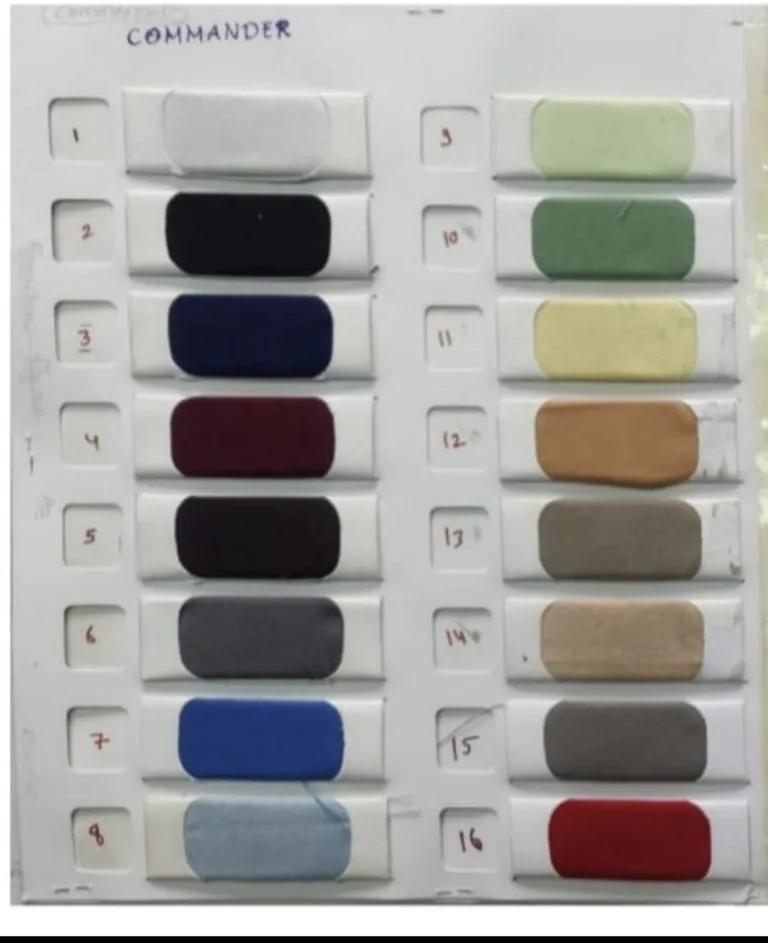
Commander PV Ultima Shirting
Poly-Viscose (PV Ultima), 2/40 x 2/40 premium, 2/40 x 1/20 standard
PV Ultima spun shirting in 135 shades, 36" and 58", grey ready year-round.
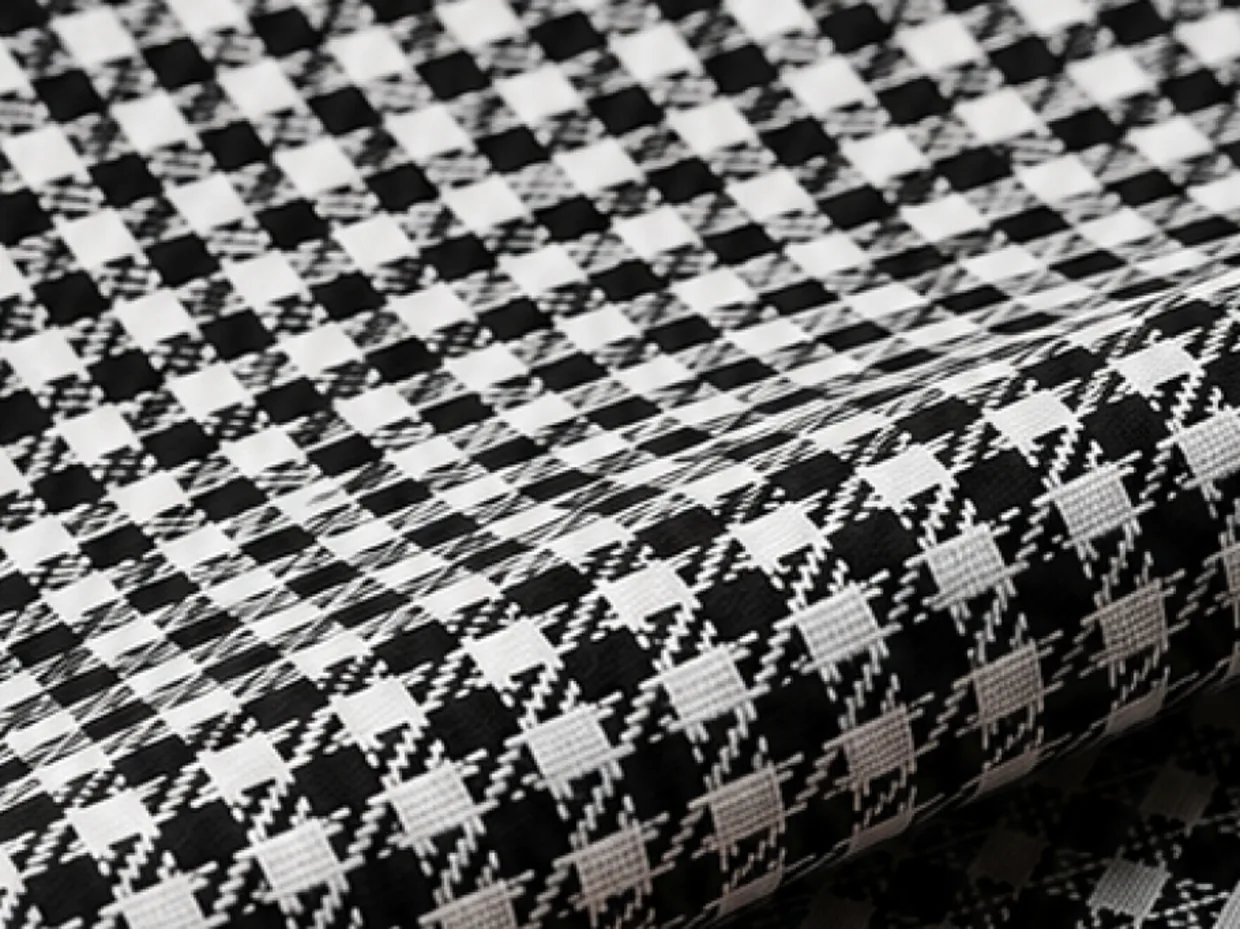
Premium Twill Check
Poly-Viscose blend · 300 GSM
Heavy 300 GSM poly-viscose twill check for blazers and uniforms.
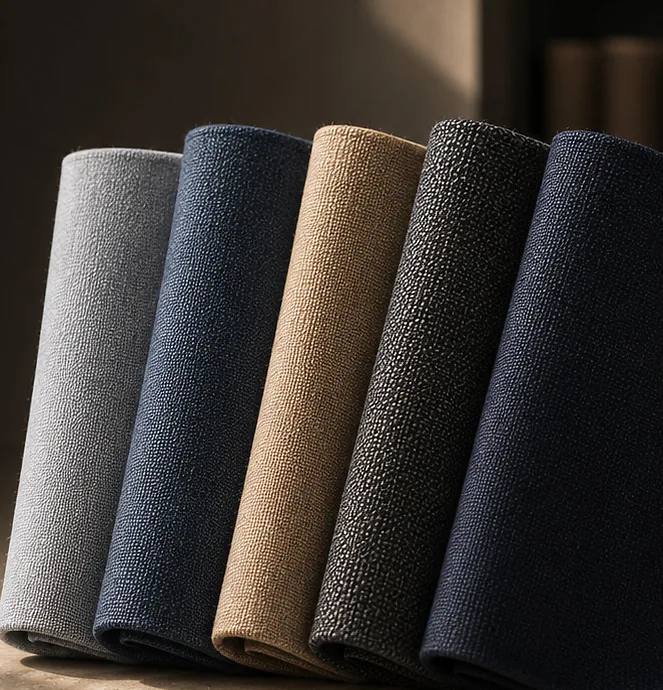
Delux-999
Poly-Viscose 65/35 · 208 GSM
Mid-weight poly-viscose suiting with a clean, versatile finish.
Industries this applies to
Uniform programs these fabrics are used for
Ready to place an enquiry?