Export markets
Wage Protests Shut Hundreds of Bangladesh Garment Factories at the Start of Peak Order Season
From 31 October 2026, protests for a higher minimum wage shut more than 500 garment factories around Dhaka, Gazipur and Mymensingh. The government set up a wage board on 1 November and protests carried on. It lands just as buyers place a large share of their annual orders, so here is what it means for where you book cut-and-sew work and cloth.
Jump to section
What happened
Garment workers in Bangladesh have been protesting since Saturday 31 October 2026 for a minimum monthly wage of 30,000 taka, more than double the current 12,500 taka set in November 2023. Protests spread across Mirpur in Dhaka, Savar, Ashulia, Gazipur and Mymensingh, with road blockades, clashes with police and fires reported at several sites.
The Daily Star, as reported by Business Standard on 2 November, counted 529 factories suspending work, affecting about 987,000 workers. Gazipur and Mymensingh were hit hardest, with 276 factories. Al Jazeera put the number at about 500 factories. Counts differ between reports, so treat these as an order of magnitude rather than a final tally.
On Sunday 1 November the government set up a new wage board to review the minimum wage, and the Prime Minister held an emergency meeting with ministers. Protests continued into a third day on 2 November. The manufacturers' association said that if they carried on, factories would invoke the labour law's 'no work, no pay' provision for temporary closure.
Why the timing matters
According to Bangladeshi press reports carried by Business Standard, November to February is the peak order-placement season, when Bangladesh's garment makers typically secure around 40 percent of their annual export orders. Industry representatives there have warned that long closures could push international buyers to place orders elsewhere and delay shipments.
So far that is a warning, not a measured shift. We have seen no report of a named buyer moving orders. But a buyer placing spring and summer programmes this month is weighing two risks at once: a shutdown that delays work already booked, and a wage award that will raise making costs once the board decides.
What it means for a buyer sourcing from India
Our cloth is woven in India, so a Bangladesh shutdown does not change its cost. What can change is demand. If garment buyers hedge by moving some cut-and-sew work to India, Indian garment makers book more cloth, and mills get busier. Busy mills mean longer waits for a loom slot and less room to discount, the same effect we described when brokerages reported fuller order books in October (what busier mills mean for lead times).
If you make garments in Bangladesh with Indian fabric, check whether your sewing unit is in an affected area and whether your delivery dates still hold. Cloth already shipped is safe; the risk is the stitching schedule. Ask for a revised plan in writing rather than waiting for the delivery date to slip.
If you are a uniform buyer placing a programme for the new school or financial year, book cloth now rather than in January. Whether or not orders move, the wage review means your making cost in Bangladesh is going up, and comparing a quote cut and sewn in India from Indian cloth is the cleaner way to see the gap. Our background on the wage review itself is in the wage board post. To check current lead times, Request Catalog.
What we are watching
Whether factories reopen this week; whether employers invoke the 'no work, no pay' closure; the wage board's first proposal and the date a new minimum takes effect; and any report of buyers actually moving orders. We will update this post as each one lands.
6 November 2026: two of those have moved. The wage board agreed on 4 November that a revised pay structure will apply from December, paid from January 2027, with the amount still undecided; we cover that in our post on the January wage rise. Factories are partly back: Reuters reported many workers returning in Savar and Gazipur on 5 November, while more than 100 factories in Ashulia suspended work again that day after fresh protests.
Strikes resumed on 11 and 12 November
13 November 2026: the protests have started again. AFP reported on 12 November that scores of factories were shut that day, with workers in Gazipur, Ashulia and Savar clocking in and then refusing to work. Protests resumed on 11 November, when sources at the manufacturers' association said more than 100 factories were shut. The association says it has more than 4,500 member factories.
The trigger is uncertainty. The wage board agreed on 4 November to raise the minimum, but the new rate will not be announced until December and takes effect in January, and workers do not know how large the rise will be. On 9 November the workers' side proposed 32,000 taka for the lowest grade, as we noted in our post on the January wage rise. After an emergency meeting on 11 November, the manufacturers' association said owners were considering a 'no work, no pay' policy, one of the steps we said we were watching for.
For a buyer, the advice above stands, with more weight. This is the second round of closures in the peak order-placing season, and it is likely to continue until the board announces a figure in December. If you are placing an early 2027 programme with a Bangladeshi garment maker, ask how many working days their lines lost in November and build that into the delivery date. If you are comparing a garment made in India from Indian cloth, book the fabric slot now; Indian mill slots for early 2027 are filling as well, as India's October export figures show.
15 November 2026: on 14 November the manufacturers' associations threatened to leave the wage talks and close factories indefinitely, which we cover in our post on the threatened walkout.
FAQ
Frequently asked questions
- How many Bangladesh garment factories are shut?
- Reports differ. The Daily Star, as carried by Business Standard on 2 November 2026, counted 529 factories suspending work and about 987,000 workers affected. Al Jazeera reported about 500. The figure changes daily while protests continue.
- Does this make Indian fabric more expensive?
- Not directly. Fabric woven in India is not affected by a shutdown or wage rise in Bangladesh. The indirect effect is demand: if garment work moves to India, Indian mills get busier, which usually shows up as longer lead times rather than higher list prices.
- Has Bangladesh agreed a new minimum wage?
- Not the amount. A wage board was set up on 1 November 2026 and agreed on 4 November that a revised pay structure will apply from December, paid from January 2027. Workers are asking for 30,000 taka a month against the current 12,500 taka. No new figure has been decided.
Cite this post
Quoting this page? Paste the line below so the credit links back.
<a href="https://www.bennycotts.com/blog/bangladesh-garment-unrest-factory-shutdowns-peak-season-2026">Wage Protests Shut Hundreds of Bangladesh Garment Factories at the Start of Peak Order Season</a>, Benny Cotts, 2026Updated 13 November 2026 · Benny Cotts, Bhilwara
Fabrics
Fabrics mentioned in this note
Spec, price and MOQ on every fabric page.
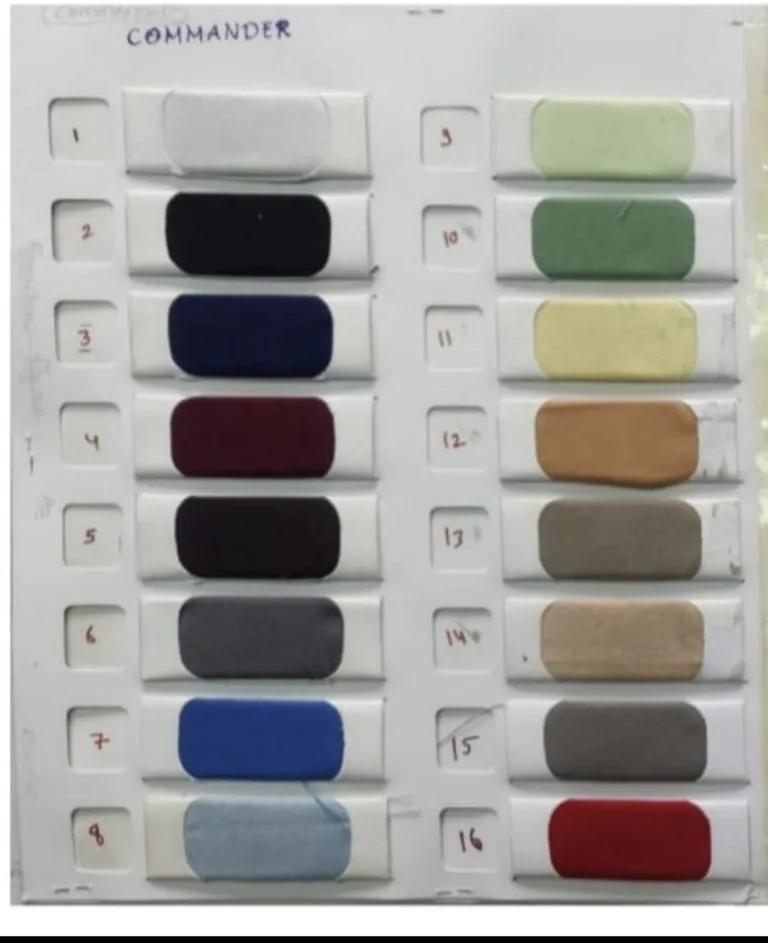
Commander PV Ultima Shirting
Poly-Viscose (PV Ultima), 2/40 x 2/40 premium, 2/40 x 1/20 standard
PV Ultima spun shirting in 135 shades, 36" and 58", grey ready year-round.

Officer Choice
Poly-Viscose (PV) blend · 210-230 GSM
Crisp, structured suiting engineered for officer uniforms.
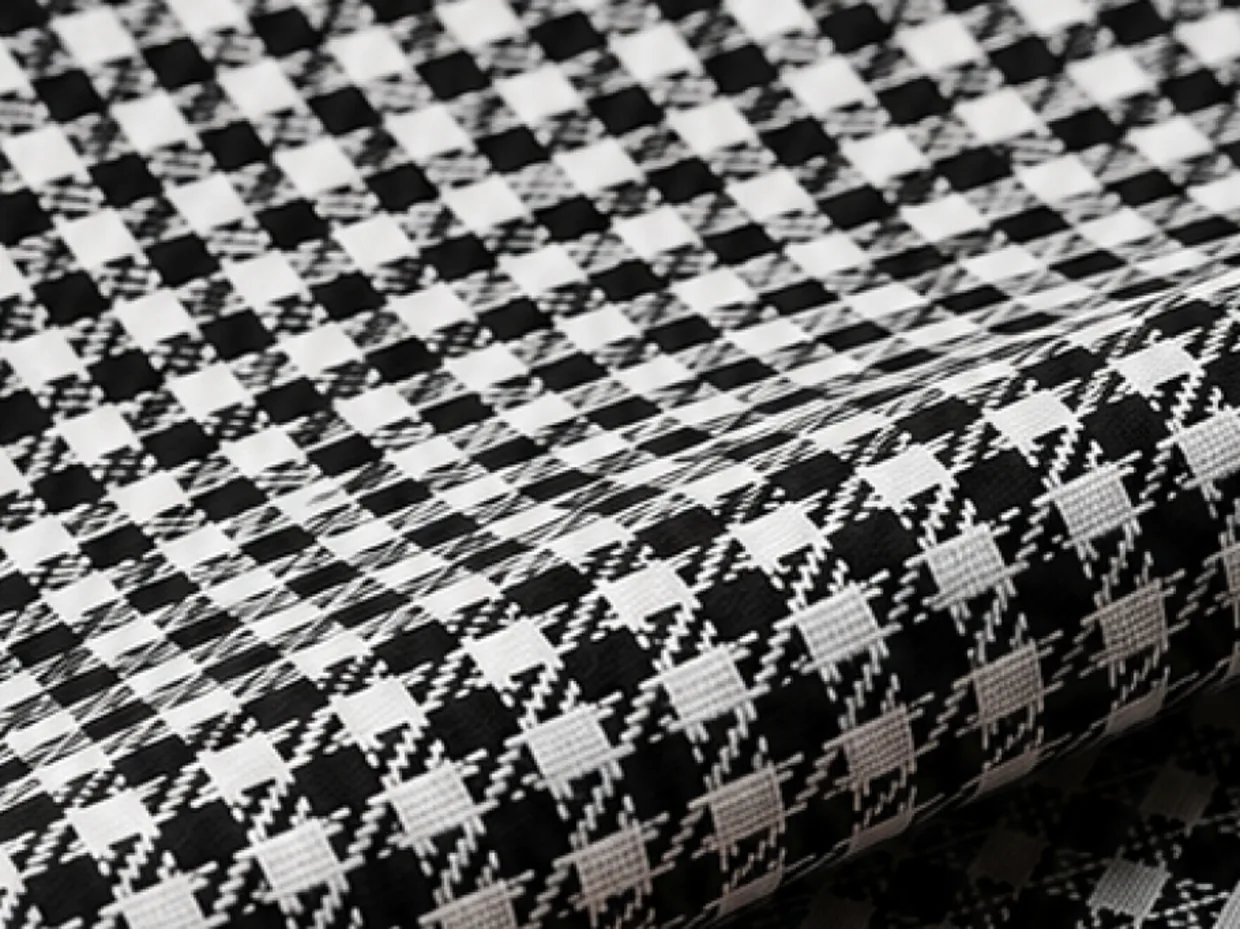
Premium Twill Check
Poly-Viscose blend · 300 GSM
Heavy 300 GSM poly-viscose twill check for blazers and uniforms.
Industries this applies to
Uniform programs these fabrics are used for
More from the blog
- Bangladesh Garment Owners Threaten to Quit the Wage Talks. What It Means for Fabric and Delivery Dates
- Bangladesh Garment Wages Will Rise From January 2027. What Uniform and Fabric Buyers Should Plan For
- Bangladesh's Yarn Import Curb Is Back in Force, and a Reform Report Is Due 20 November. What It Means for Buyers
Ready to place an enquiry?