
Export markets
India's Fabric Exports Jumped 24 to 30 Percent in October. Part of That Is the Calendar
Official data released on 13 November 2026 puts India's October exports of cotton yarn, fabrics and made-ups up 30.0 percent year on year and man-made yarn, fabrics and made-ups up 23.9 percent, in dollar terms. Garments rose 20.3 percent after months of decline. October 2025 was a weak month, short of working days because of Diwali and hit by the 50 percent US tariff, so the month-on-month figures are the better guide. What the numbers do and do not tell a buyer about lead times and price.
Jump to section
The numbers
The Ministry of Commerce and Industry released India's trade figures for October 2026 on 13 November. Merchandise exports were USD 49.47 billion against USD 34.11 billion in October 2025, a rise of about 45 percent, which the Commerce Secretary described as the highest monthly goods export figure on record, as reported by the Indian press.
The commodity table that comes with the release has the three lines a fabric buyer cares about. All figures are in US dollars:
- Cotton yarn, fabrics, made-ups and handloom products: USD 1,178 million in October 2026 against USD 906 million in October 2025, up 30.0 percent. Up 4.8 percent on September 2026.
- Man-made yarn, fabrics and made-ups: USD 479 million against USD 387 million, up 23.9 percent. Up 6.1 percent on September 2026.
- Ready-made garments of all textiles: USD 1,287 million against USD 1,069 million, up 20.3 percent. Up 13.5 percent on September 2026.
- Imports of textile yarn, fabric and made-up articles into India: USD 280 million against USD 227 million, up 23.6 percent.
Why the year-on-year figure flatters October
October 2025 was a low base for two reasons. Diwali fell on 20 October 2025, and Indian mills, processing houses and cloth markets lose several working days around the festival. This year Diwali fell on 8 November, so October 2026 was a full working month and the holiday moved into November. A month with more working days ships more cloth, whatever the demand.
October 2025 was also the second month in which Indian goods faced a 50 percent US tariff, after the second 25 percent was added from 27 August 2025. US orders were being cancelled or held at the time. Today the additional US duty is 10 percent, as we set out in The US Tariff on Indian Textiles Has a Published Number Again.
So a 24 to 30 percent rise does not mean demand for Indian cloth rose by a quarter in a year. The cleaner reading is month on month: September 2026 had no festival either, and against it man-made fabric exports rose 6.1 percent and cotton 4.8 percent. That is steady growth, not a surge.
Expect the reverse in November. With Diwali in November this year, November 2026 will be compared with a November 2025 that had no festival, so its year-on-year figure is likely to look weak. A buyer who reads a weak November headline in mid-December should remember this paragraph.
The garment line is the one that changed
For most of this year the story was that Indian cloth exports were growing while garment exports fell, which we described in Fabric Output Hit a New High in September While Garment Output Fell Again. The cumulative figures still say that: from April to October, cotton yarn, fabric and made-up exports are up 11.8 percent and man-made ones up 6.9 percent, while garments are down 3.0 percent.
But garments rose 13.5 percent between September and October, more than either fabric line, and that month-on-month comparison does not depend on last year's festival. One month does not make a trend. If it holds, Indian garment makers are cutting more cloth, and some of that cloth comes from the same weaving and processing capacity that serves export fabric buyers.
It also sits alongside what exporters told Reuters this week about moving garment orders from the US to the UK and EU, which we covered in Indian Garment Makers Are Moving Orders From the US to the UK and EU. The two are not in conflict. The release puts India's total exports to the US up 39.25 percent in October, but that is all goods, including petroleum and electronics, and it is measured against the same weak, high-tariff October 2025.
What it means for lead times
Busier garment floors and a steady rise in fabric shipments point the same way: mill slots for the January to March quarter are being booked now. November is a short month for production because of the festival: trade reports this week had cloth markets in Mumbai and Tiruppur still not back to normal trading after Diwali, and mills spend the following weeks catching up. If you have a uniform programme with a fixed issue date in the first half of 2027, place the fabric order before the end of November rather than in January.
Our uniform fabric lead times guide shows where the weeks go between order and despatch. The trade data does not change those stages; it changes how long you wait for a slot before the first stage starts.
What it does not mean for price
A trade release does not move a poly-viscose quote. Fabric prices move on polyester and viscose fiber costs, dyeing and processing charges, freight and the duty at your own border. Polyester inputs have been falling this month, as we covered in Polyester feedstocks fell in early November, and that matters more to a quote than any national total.
The figures are in dollars, so they are not inflated by the weaker rupee. A rise in dollar export value is more cloth, dearer cloth or both; it is not a currency effect. We explained why that matters in India's August export figures are published in dollars.
What we are not saying
- That October was a record for fabric. The record the Commerce Secretary described is for all merchandise exports. The release does not say whether either fabric line reached a record.
- That the rise is all calendar. We cannot measure how much of the year-on-year gain is the Diwali shift and how much is the tariff base; we can only say both made October 2025 weak.
- That US demand for Indian cloth rose 39 percent. That figure is for all goods to the US.
- Anything about our own order book or prices. We do not publish prices; every quote is on request.
FAQ
Frequently asked questions
- How much did India's fabric exports grow in October 2026?
- In dollar terms, cotton yarn, fabrics, made-ups and handloom products rose 30.0 percent year on year to USD 1,178 million, and man-made yarn, fabrics and made-ups rose 23.9 percent to USD 479 million, according to the Ministry of Commerce and Industry's release of 13 November 2026. Against September 2026 the rises were 4.8 and 6.1 percent.
- Why is the October 2026 growth rate so high?
- Partly because October 2025 was a weak month. Diwali fell on 20 October 2025, costing mills working days, and Indian goods faced a 50 percent US tariff at the time. In 2026 Diwali fell on 8 November. The month-on-month change against September is the better guide to underlying demand.
- Will November 2026 export figures look weak?
- Probably, on a year-on-year basis, because the Diwali holiday moved into November this year while November 2025 had none. That would be a calendar effect, not a fall in demand.
- Does this mean longer lead times for fabric?
- It points that way. Fabric exports are rising steadily and garment exports rose 13.5 percent between September and October, so mill slots for early 2027 are filling. If you have a programme with a fixed issue date in the first half of 2027, book the fabric before the end of November.
- Does strong export growth mean Indian fabric prices will rise?
- Not on its own. A quote moves on fiber costs, processing charges, freight and duty. Polyester inputs were falling in early November 2026. Export growth affects how quickly a mill can take your order more than what it charges.
Sources
Primary documents
The government and inter-governmental documents behind the dates and figures above, so you can read them yourself. Anything attributed to trade press or to a research note is named in the copy rather than linked here.
- 1. Ministry of Commerce and Industry, India's foreign trade figures for October 2026 (13 November 2026. Merchandise totals, commodity growth rates and top export destinations)
- 2. Department of Commerce, Statistics Division: export and import of principal commodity groups, October 2026 (Dollar values for October 2025, October 2026, September 2026 and April to October for the cotton, man-made and garment lines and the textile import line)
Cite this post
Quoting this page? Paste the line below so the credit links back.
<a href="https://www.bennycotts.com/blog/india-october-2026-fabric-exports-jump-diwali-base">India's Fabric Exports Jumped 24 to 30 Percent in October. Part of That Is the Calendar</a>, Benny Cotts, 2026Updated 13 November 2026 · Benny Cotts, Bhilwara
Fabrics
Fabrics mentioned in this note
Spec, price and MOQ on every fabric page.
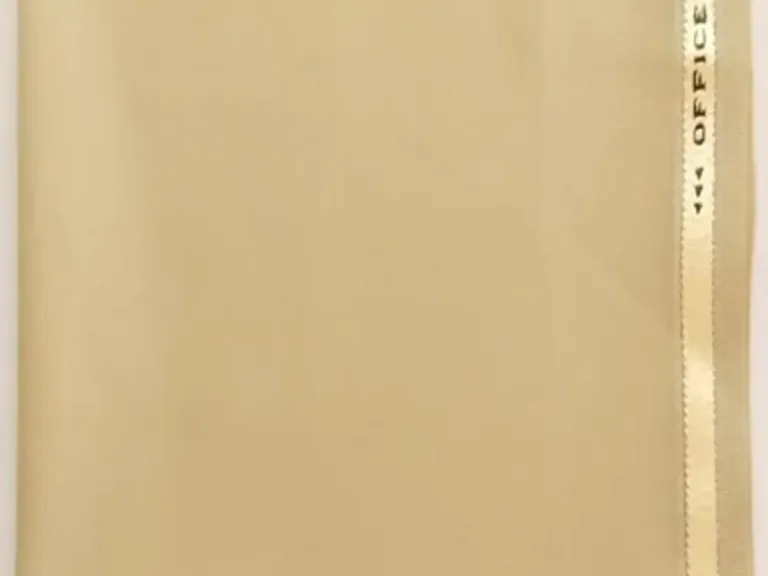
Officer Choice
Poly-Viscose (PV) blend · 210-230 GSM
Crisp, structured suiting engineered for officer uniforms.
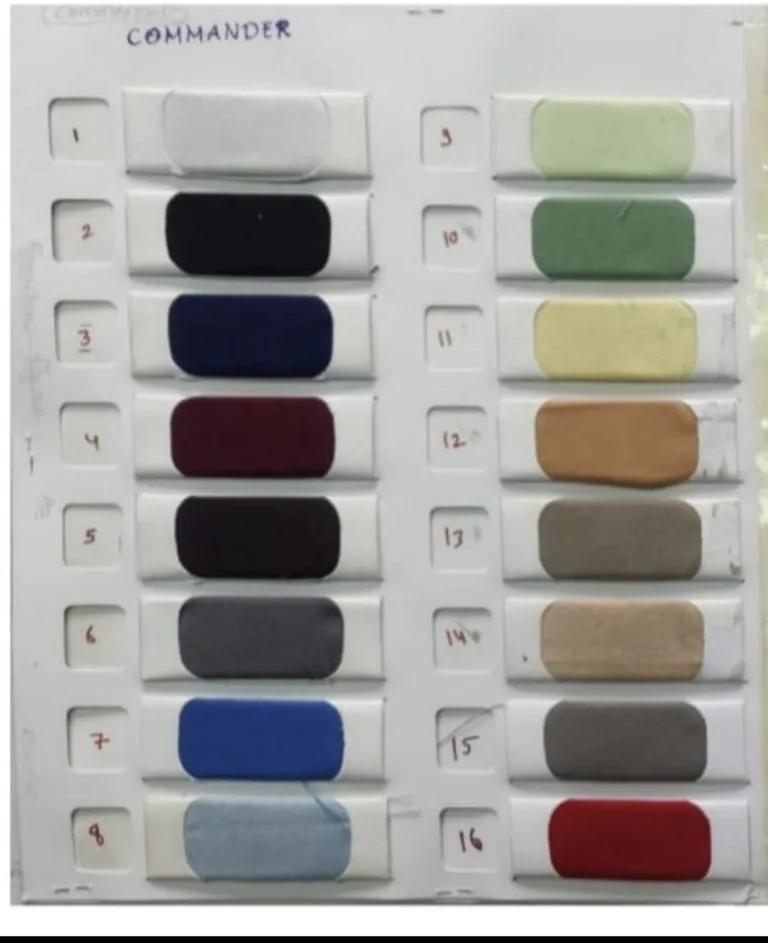
Commander PV Ultima Shirting
Poly-Viscose (PV Ultima), 2/40 x 2/40 premium, 2/40 x 1/20 standard
PV Ultima spun shirting in 135 shades, 36" and 58", grey ready year-round.
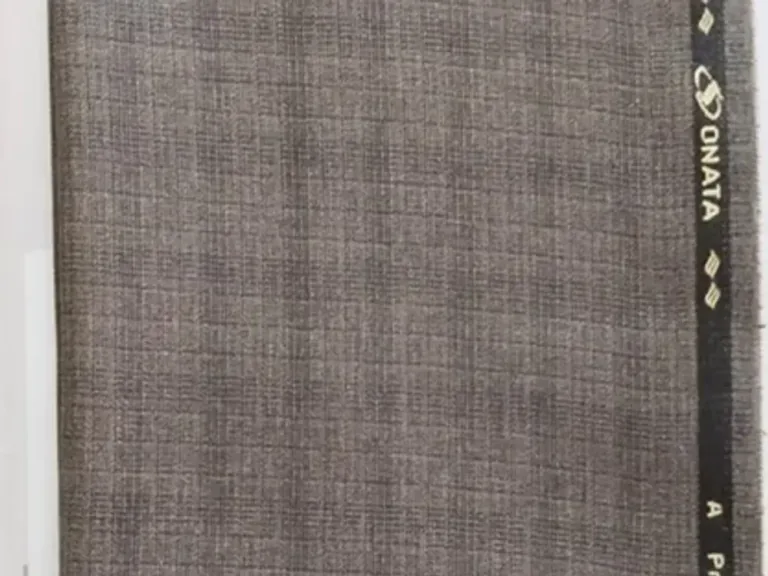
Sonata
Poly-Viscose blend · 190-210 GSM
Cost-efficient uniform fabric without compromising weave quality.
Industries this applies to
Uniform programs these fabrics are used for
- Fabric for Corporate Shirts
- Fabric for Corporate Trousers
- Fabric for School Uniforms
- Fabric for Sports & PT Uniforms
- Fabric for Pre-School & Kindergarten Uniforms
- Fabric for Doctor Coats
- Fabric for Nurse Scrubs
- Fabric for Lab Coats
- Fabric for OT & Surgical Wear
- Fabric for Patient Gowns
- Fabric for Chef Coats
- Fabric for Salon & Spa Uniforms
- Fabric for Ground Staff Uniforms
- Fabric for Army Uniforms
- Fabric for Police Uniforms
- Fabric for Security Guard Uniforms
- Fabric for Industrial Uniforms
- Fabric for Construction Workwear
- Fabric for Housekeeping Uniforms
Further reading
- Importing Uniform and Suiting Fabric from India into New Zealand
- New Zealand Clothing and Fabric Labelling: Care, Fiber Content and Country of Origin
- The Digital Product Passport for Textiles: The Data Your Fabric Supplier Will Need to Give You
- Fabric Construction: Reading Count x Count and EPI x PPI
Ready to place an enquiry?