
Fiber markets
Cotton Has Stopped Climbing. USDA Trims India's Crop as Prices Go Flat in November
In October Indian cotton jumped on thin new-season arrivals. By mid November the climb has stalled: world benchmarks are flat to slightly lower, Indian cotton has slipped about 3 percent in rupee terms as the rupee firmed, and US futures fell for a third session on 11 November. At the same time the US Department of Agriculture cut its forecast for India's crop. What changed, why the smaller crop has not pushed prices up, and what it means for a cotton-rich or poly-cotton quote.
Jump to section
What changed since October
The percentages above are our arithmetic on figures in the trade reports, not an official price series. The direction is consistent across them: the sharp October rise we described in Cotton Is Climbing Again has not continued.
- World prices went flat. Cotton Incorporated's November 2026 economic letter, as reported by Fibre2Fashion on 12 November, describes most cotton benchmarks as flat to slightly lower over the past month. The December New York futures contract dipped below 80 US cents a pound as funds rolled into March, which held near 82 cents. The A Index, a measure of cotton delivered to Asian mills, traded between 89 and 93 cents.
- US futures fell for a third straight session on 11 November, on a stronger dollar and fund rollover ahead of the December delivery period, Fibre2Fashion reported.
- Indian cotton held around 90 cents a pound in dollar terms but fell about 3 percent in rupee terms over the month, which the same letter links to the rupee strengthening by a similar amount. We covered that rupee move in The Rupee Is at a Six-Month High.
- Locally the picture is mixed rather than falling. In north India, raw cotton gained over a couple of days this week on restricted arrivals, while cotton yarn in Ludhiana and Delhi stayed unchanged with slow buying after Diwali, according to Fibre2Fashion's market report of 12 November.
What USDA changed
The US Department of Agriculture's November 2026 World Agricultural Supply and Demand Estimates, which we read in the original, trimmed its 2026-27 forecasts in three places that matter to a buyer of Indian fabric.
- India's crop: cut by 500,000 bales to 23.5 million bales, from 24.0 million in October. India's projected ending stocks fall from 10.43 to 9.93 million bales.
- World crop: cut from 117.95 to 117.48 million bales. Türkiye was cut by 350,000 bales, which fits the harvest collapse we covered in Türkiye's Cotton Crop Is Set to Fall 38 Percent. China and Australia were raised.
- World use: still larger than the crop, at 122.75 million bales against 117.48. That is why world ending stocks are projected to fall to 70.57 million bales, from 75.64 million at the start of the season.
A note on bales
USDA counts in 480-pound bales, about 218 kilograms each. Indian trade bodies count in 170-kilogram bales. So USDA's 23.5 million bales for India is roughly 5.1 million tonnes of lint, which is in the same range as the Indian trade estimate of around 29 million local bales that we reported in October. The two figures look far apart and are not.
Why a smaller crop has not lifted prices
Three things are holding prices down while the crop shrinks. The world still starts the season with large stocks, so a 500,000-bale cut in India is a small change against roughly 70 million bales of carry-over. Demand is soft: USDA also cut mill use, including in Bangladesh, and yarn buyers in India have been slow since Diwali. And a firmer rupee makes the same dollar price of cotton cheaper for an Indian mill, which is what the fall in rupee terms reflects.
Indian mills can also still import raw cotton without duty until 31 December, as covered in India Has Extended the Cotton Import Duty Waiver. That caps how far domestic cotton can run above world prices for now.
What it means for a fabric quote
- Cotton-rich and 100 percent cotton shirting: the pressure for further increases has eased. A buyer who was told in late October to expect a firmer re-quote can reasonably ask whether that still holds. Do not expect a cut on that basis alone: the October rise did not fully reach yarn either, so mills have little margin to give back.
- Poly-cotton: the cotton share is steadier, and polyester inputs fell in early November, as covered in Polyester Feedstocks Fall. Of the three blend families this is where input costs moved most clearly in the buyer's favour this month.
- Poly-viscose suiting and shirting: no cotton in the blend, so this news does not reach it. Its costs follow polyester, viscose, dyeing and freight.
- Quote validity: the smaller crop is a floor under prices later in the season, after the duty waiver ends and once arrivals peak. Keep validity short on cotton-rich specifications booked for delivery in the first quarter of 2027.
What we are not claiming
- That cotton prices are falling sharply. The moves this month are small, and north Indian cotton rose over a couple of days this week.
- That fabric quotes will come down. Fabric prices follow yarn, processing and freight as well as fiber, and every quote depends on construction and order size. Our quotes are price on request.
- That USDA's numbers are final. They are monthly projections and change every month.
What we are watching
The December futures first notice day on 23 November, USDA's December report, Indian arrivals as the harvest peaks, whether the duty waiver is extended past 31 December, and whether cotton yarn offers move after the post-Diwali restart. If the picture changes we will say so here.
FAQ
Frequently asked questions
- Are cotton prices going up or down in November 2026?
- Flat to slightly lower. Cotton Incorporated's November 2026 letter describes most world benchmarks as flat to slightly lower over the past month. Indian cotton held around 90 US cents a pound in dollar terms and slipped about 3 percent in rupee terms as the rupee strengthened. US futures fell for a third session on 11 November.
- How much did USDA cut India's cotton crop forecast in November 2026?
- By 500,000 bales, to 23.5 million 480-pound bales for 2026-27, down from 24.0 million in October. That is roughly 5.1 million tonnes. Indian trade estimates use 170-kilogram bales, so their figure of around 29 million bales describes a similar quantity.
- Why are cotton prices not rising if the crop is smaller?
- World stocks are still large, mill demand is soft, and a stronger rupee makes dollar-priced cotton cheaper for Indian mills. Duty-free imports of raw cotton until 31 December 2026 also limit how far Indian prices can rise above world prices.
- Should I expect a lower quote on cotton fabric?
- Not on this basis alone. The October rise did not fully reach cotton yarn, so mills have little margin to give back. What has eased is the pressure for further increases. Keep quote validity short on cotton-rich fabric for early 2027 delivery.
Sources
Primary documents
The government and inter-governmental documents behind the dates and figures above, so you can read them yourself. Anything attributed to trade press or to a research note is named in the copy rather than linked here.
- 1. USDA, World Agricultural Supply and Demand Estimates, November 2026 (WASDE-677) (world and India cotton supply and use tables)
Cite this post
Quoting this page? Paste the line below so the credit links back.
<a href="https://www.bennycotts.com/blog/cotton-prices-flat-november-2026-usda-india-crop-cut">Cotton Has Stopped Climbing. USDA Trims India's Crop as Prices Go Flat in November</a>, Benny Cotts, 2026Updated 12 November 2026 · Benny Cotts, Bhilwara
Fabrics
Fabrics mentioned in this note
Spec, price and MOQ on every fabric page.
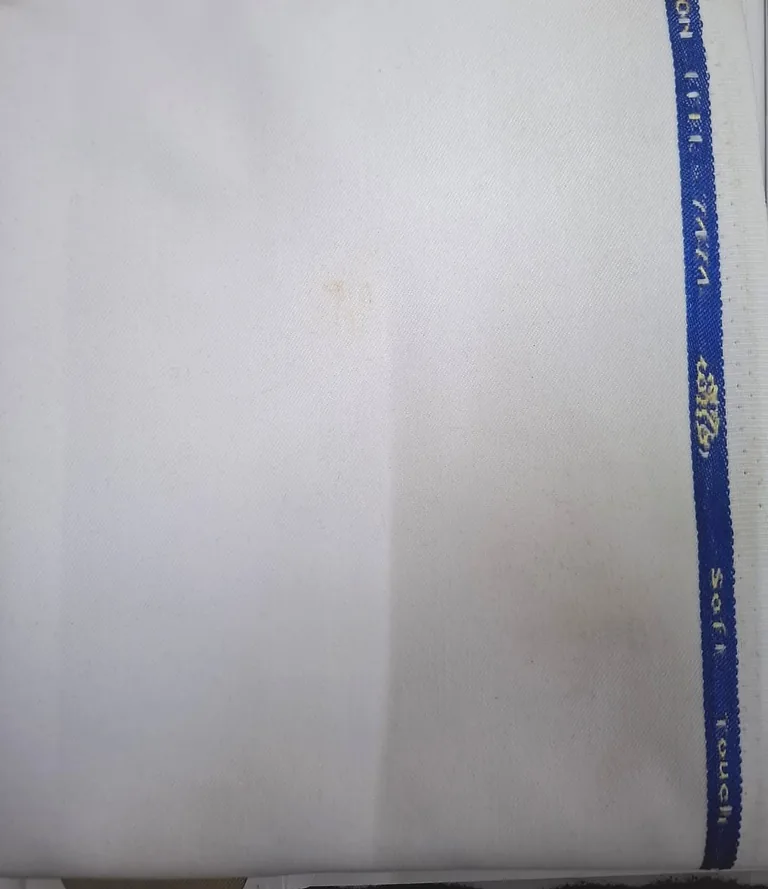
Cotton Cool-3200
Poly-Viscose 65/35 · 249 GSM
Breathable poly-viscose with a cool, cotton-like handle for uniforms.
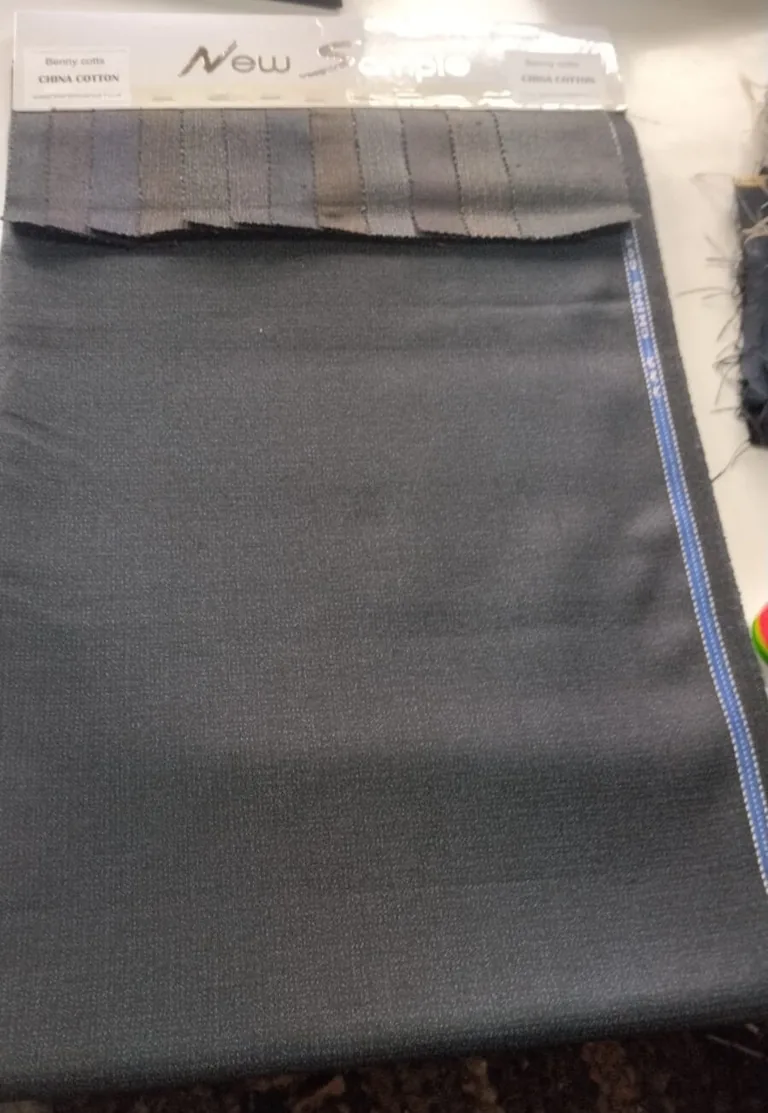
China Cotton
100% Polyester · 201 GSM
Heavier cotton-look suiting for structured uniform wear.
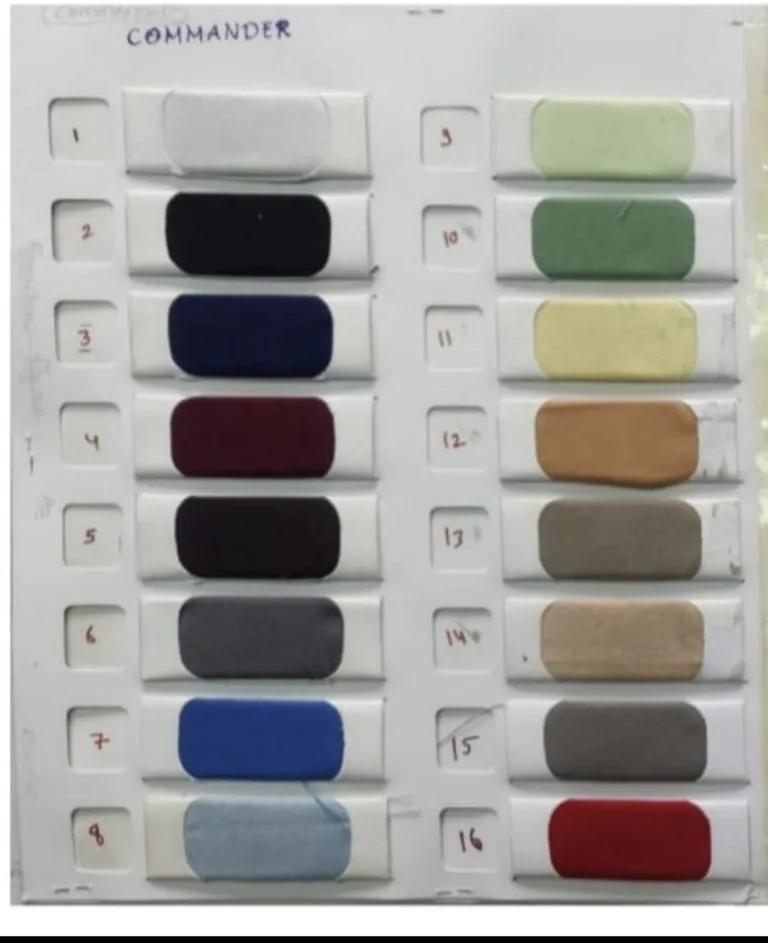
Commander PV Ultima Shirting
Poly-Viscose (PV Ultima), 2/40 x 2/40 premium, 2/40 x 1/20 standard
PV Ultima spun shirting in 135 shades, 36" and 58", grey ready year-round.
Industries this applies to
Uniform programs these fabrics are used for
Ready to place an enquiry?