
Freight and routing
US Port Fees on China-Linked Ships Are Paused Again, to 9 January. What It Means for Fabric Freight to the United States
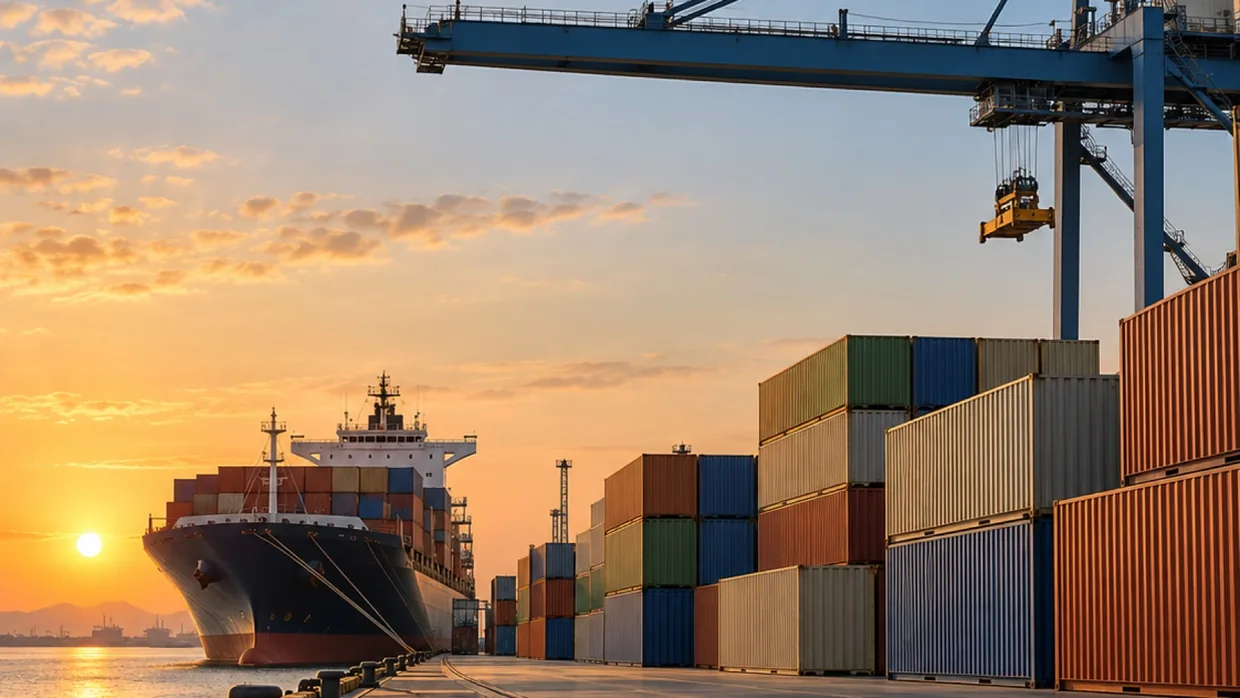
The US Trade Representative has confirmed a two-month extension of the suspension of port fees on China-owned, operated and built ships, to the end of 9 January 2027, and China has matched it on its side. Without the extension the fees would have restarted on 10 November 2026. This is what a fabric buyer shipping to the United States should check, and why January is now the date to watch.
Jump to section
What the US proposed, and then confirmed
In 2025 the United States set up fees on ships that call at its ports if the ship is owned or operated by a Chinese company or was built in China. The fees were part of a Section 301 action against China's maritime, logistics and shipbuilding sectors. After a US-China deal in November 2025, the US suspended that action for one year. The pause runs out at the end of 9 November 2026.
On 23 October 2026 the US Trade Representative opened a comment period on a proposal to extend the pause by two months, through 9 January 2027. A notice published in the Federal Register on 26 October 2026 says the aim is to allow further negotiation with China. During the suspension, no party would owe the maritime transport fees in the notice's annexes. Comments close at 5 p.m. Eastern time on 30 October 2026.
That was a proposal when this post was first written. 10 November 2026: it is now final. USTR filed a notice of modification for publication in the Federal Register on 10 November 2026 (document 2026-22867) that further suspends the action through 11:59 p.m. Eastern time on 9 January 2027, again citing further discussion with China. The fees did not restart on 10 November.
China has done the same on its side. Trade press reported on 10 November that Beijing, with State Council approval, has extended its suspension of special port fees on US ships, and of a related investigation into shipping and shipbuilding supply chains, until 10 January 2027. We have not seen the Chinese text itself, so treat the date as reported.
Why a fabric buyer should care
Container lines choose which ships serve which routes, and a fee on a class of ship becomes a cost the line decides whether to absorb, move to other ships or add to the rate it charges. We cannot say how much of any fee would reach a given freight quote, and the notice does not say either.
What a buyer can say is that a line with many China-owned or China-built ships serving a US port has more to lose if the fees return, and that is the kind of line most likely to add a surcharge or shift ships between routes. For fabric shipped from India to the United States, the question is whether your service uses such ships.
What to check with your forwarder
- Whether the vessel on your booking is owned or operated by a Chinese company or was built in China, and whether the line has announced any surcharge tied to the US fees.
- Whether a surcharge, if one appears, is for the carrier's account or yours. Under FOB terms the freight is yours; under CIF or DAP the supplier carries it, and the contract wording decides who pays a charge added after the quote. Our guide to Incoterms for uniform fabric sets out who carries what.
- Your shipping window. The pause now ends on 9 January 2027. If a consignment would arrive after that, ask what the line plans if it is not extended again.
What it does not change
The US duty on Indian cloth, which is a separate matter, covered in Section 301 excess-capacity investigation. It does not change weaving, processing or inspection time, or the paperwork. For most programmes, freight is a small share of the landed cost of cloth, and sea transit is one block of a uniform fabric lead time.
Nor does it say anything about routes to Europe or the Gulf. For those, see our posts on Suez routing and on freight disruption.
What to do now
If you ship to the United States between now and January, ask your forwarder one question before you book. The fees did not return on 10 November, so the question has moved to January: has the line said anything about 9 January 2027? Build a few days of buffer into any programme with a hard delivery date, and agree in writing who pays any charge added after the quote. A separate US customs rule also takes effect on 5 January 2027, covered in our post on foreign importers of record. We will update this page when the US extends or ends the pause. To plan a shipment against a delivery date, Request Catalog.
FAQ
Frequently asked questions
- Are the US port fees on China-linked ships in force?
- No. The US proposed on 23 October 2026, and confirmed in a notice filed for publication on 10 November 2026, a two-month extension of the suspension to the end of 9 January 2027. China has reportedly extended its own suspension of fees on US ships to 10 January 2027.
- Will container freight from India to the US go up if the fees return?
- We cannot say. The fees fall on a class of ship, and lines decide how much to pass on. Ask your forwarder whether the vessels on your service are affected and whether a surcharge is planned.
- Does this affect shipping fabric to Europe, the Gulf or New Zealand?
- No. The fees apply to ships calling at US ports. Routes to other destinations are affected by other things, such as Suez routing and Gulf security.
- Who pays a surcharge added after I have a quote?
- It depends on the contract. Under FOB terms the freight is the buyer's. Under CIF or DAP the supplier carries it, and the contract should say who bears a charge added after the quote.
Sources
Primary documents
The government and inter-governmental documents behind the dates and figures above, so you can read them yourself. Anything attributed to trade press or to a research note is named in the copy rather than linked here.
- 1. Federal Register, Request for Comments on Further Suspension of Section 301 Action: China's Targeting of the Maritime, Logistics, and Shipbuilding Sectors for Dominance (91 FR 67388) (26 October 2026. Proposed two-month suspension to 9 January 2027; comments due 30 October 2026.)
- 2. Federal Register, Notice of Modification of Section 301 Action: China's Targeting of the Maritime, Logistics, and Shipbuilding Sectors for Dominance (FR Doc. 2026-22867) (Filed 9 November, published 10 November 2026. Final: action further suspended through 11:59 p.m. Eastern time on 9 January 2027.)
Cite this post
Quoting this page? Paste the line below so the credit links back.
<a href="https://www.bennycotts.com/blog/us-port-fees-china-linked-ships-pause-fabric-freight-2026">US Port Fees on China-Linked Ships Are Paused Again, to 9 January. What It Means for Fabric Freight to the United States</a>, Benny Cotts, 2026Updated 10 November 2026 · Benny Cotts, Bhilwara
Fabrics
Fabrics mentioned in this note
Spec, price and MOQ on every fabric page.
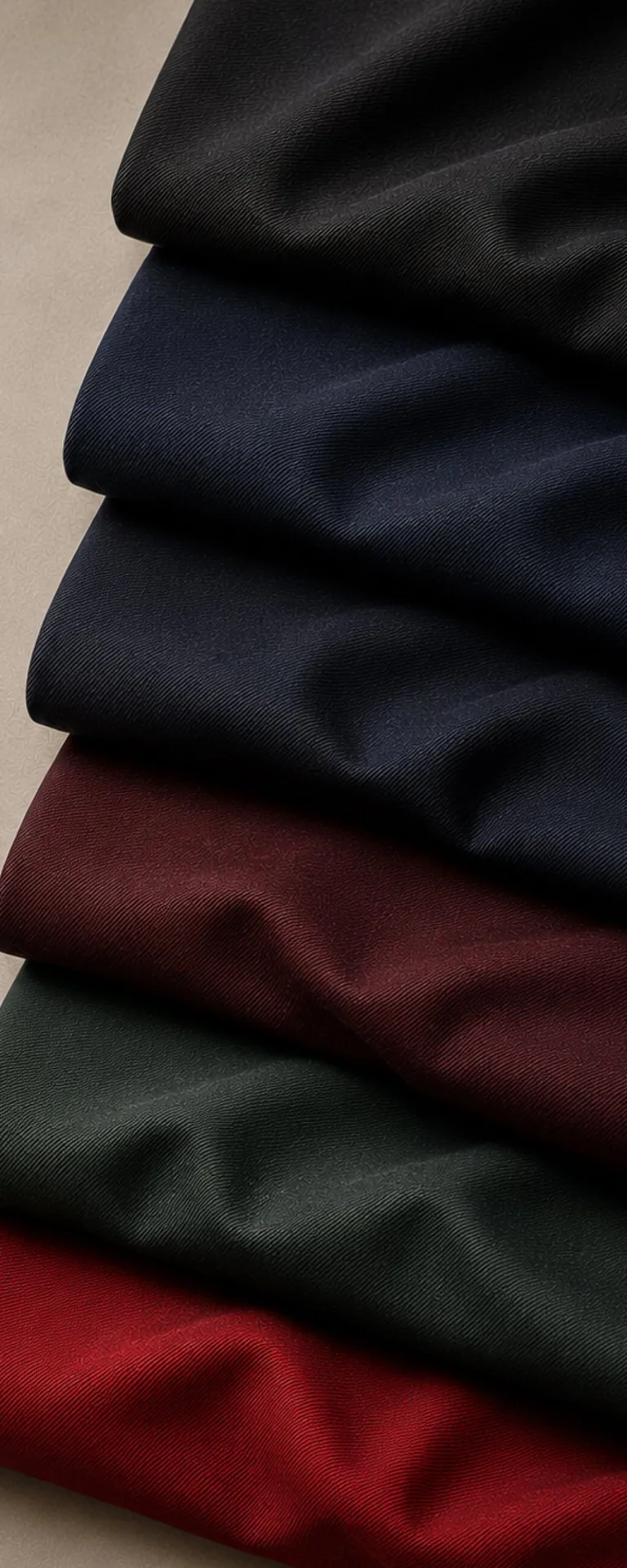
Serze Italian Premium
Poly-Viscose blend, fiber dyed · 405 g/m
Heavy fiber-dyed serge suiting, 405 g per metre at 58 inch.
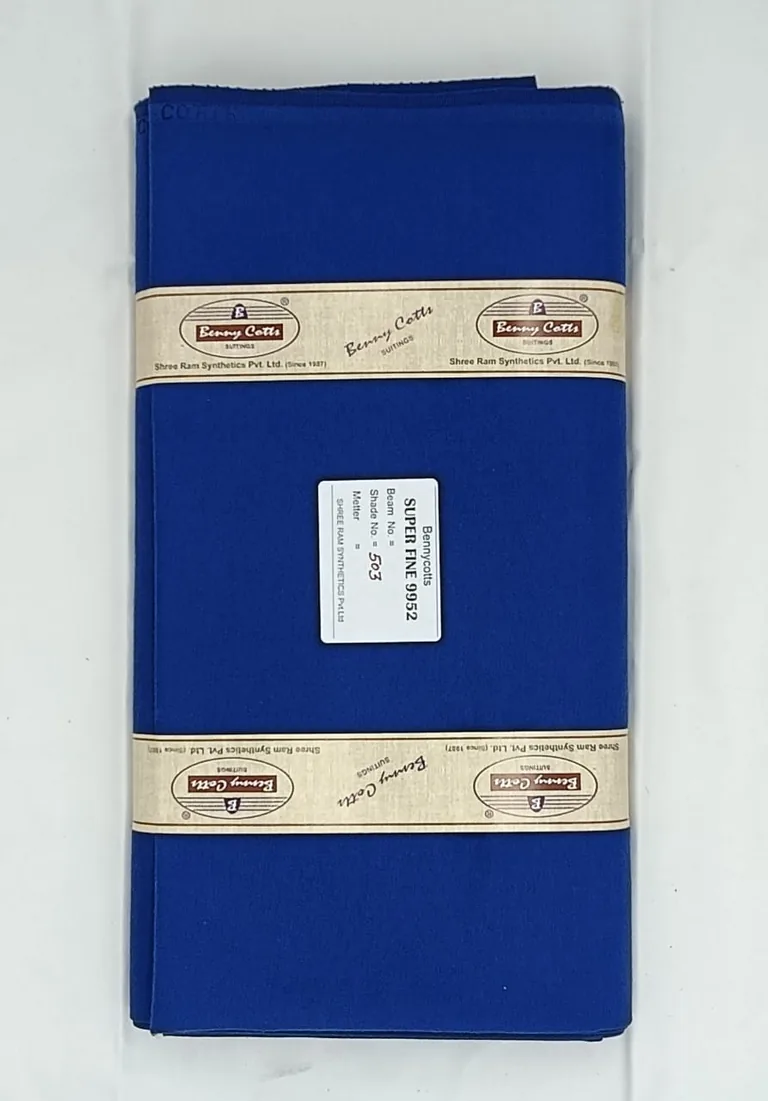
Super Fine 9952
100% Polyester (dyed) · 188 GSM
"Super Hit Quality": lightweight, fade-resistant dyed polyester for hospital uniform programs.
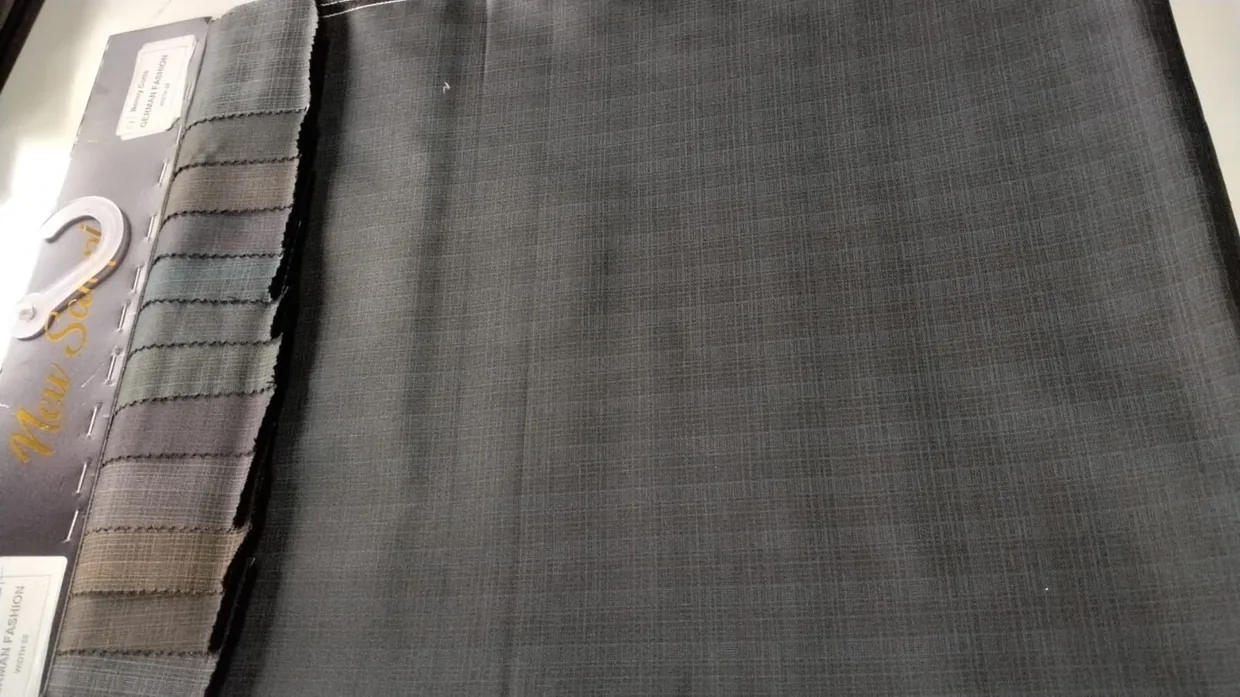
German Fashion
100% Polyester · 135 GSM
Lightweight charcoal suiting from our fancy range.
Industries this applies to
Uniform programs these fabrics are used for
Ready to place an enquiry?