
Buying guide
Uniform Fabric Lead Times in India
How ready-stock despatch compares with custom weave-to-order timelines, what drives uniform fabric lead time, and how to plan a rollout around it.
Jump to section
Quick answer
Ready-stock shades can despatch quickly because the cloth is already woven and finished, so the main work is picking, checking and packing. Custom shades or constructions woven to order take longer, since they add dyeing, weaving and finishing before despatch. Lead time is driven by whether you buy from stock or to order, the volume, and how much dyeing and finishing is involved. Plan a rollout backwards from the wear date and lock the shade early to keep things moving.
Ready stock versus weave-to-order
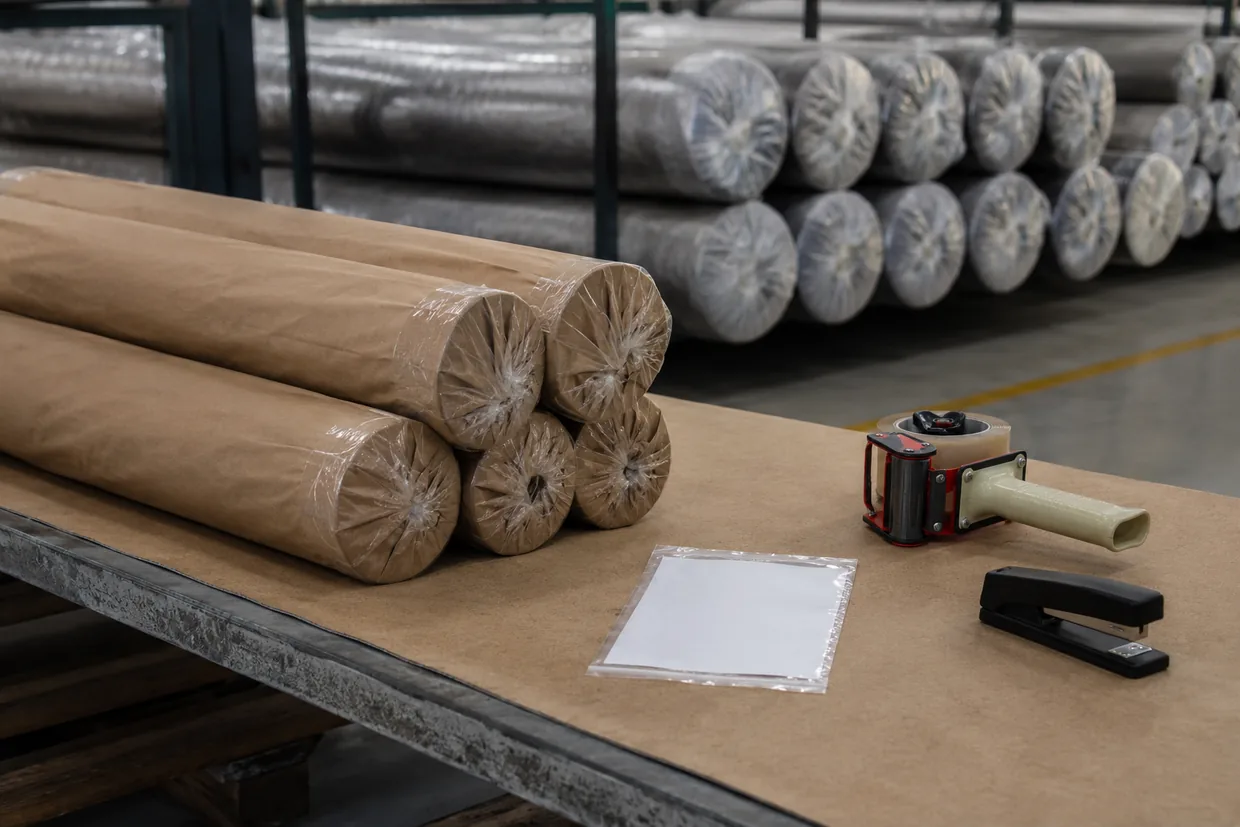
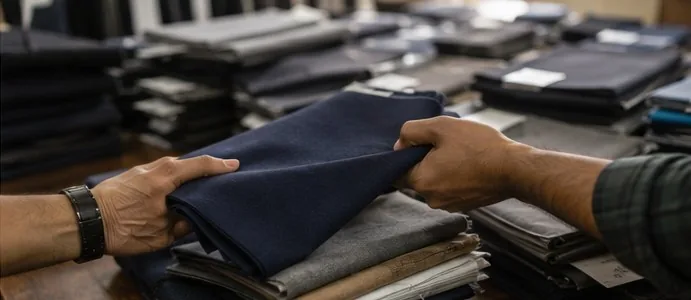
There are two very different starting points. Ready stock means the shade and construction already exist in our inventory, woven and finished at Atoon, Bhilwara, so fulfilment is mainly a matter of picking, quality checking and packing. This is the fast route, and ready stock can despatch quickly.
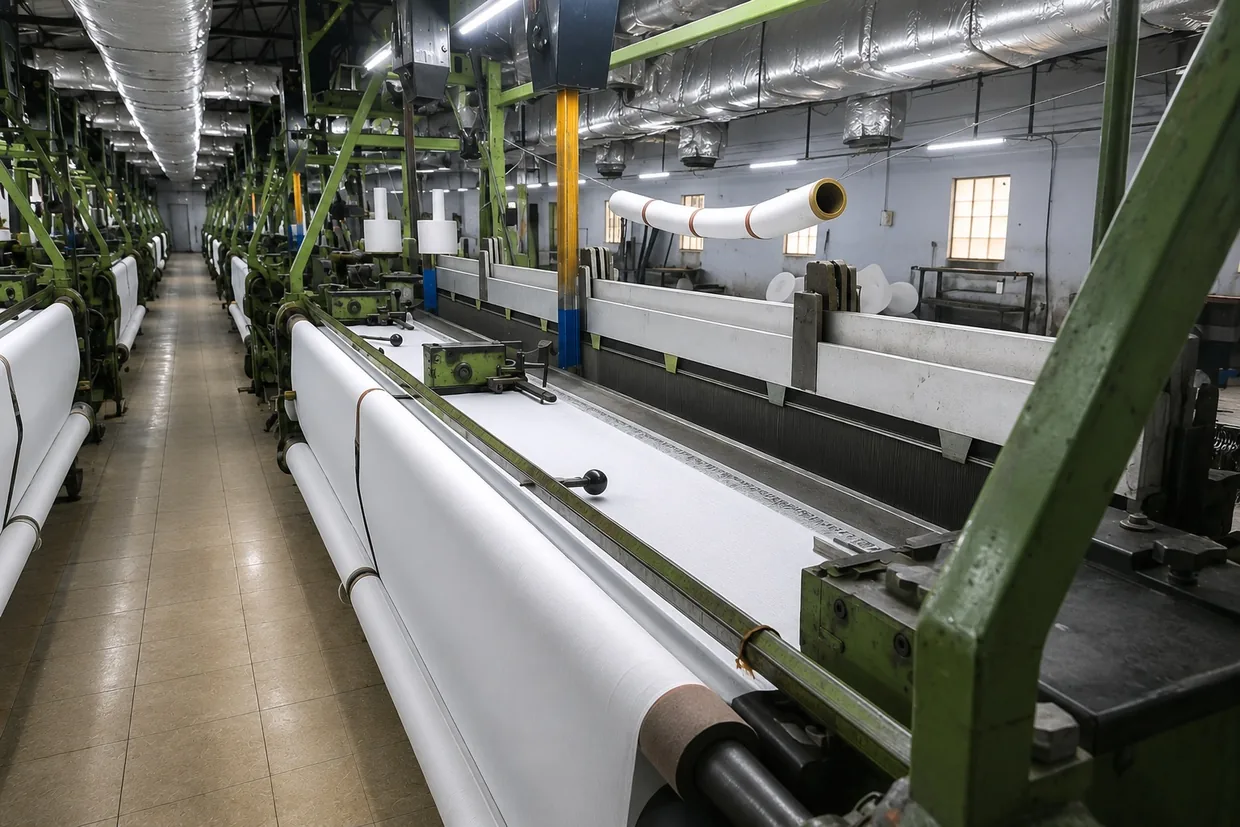
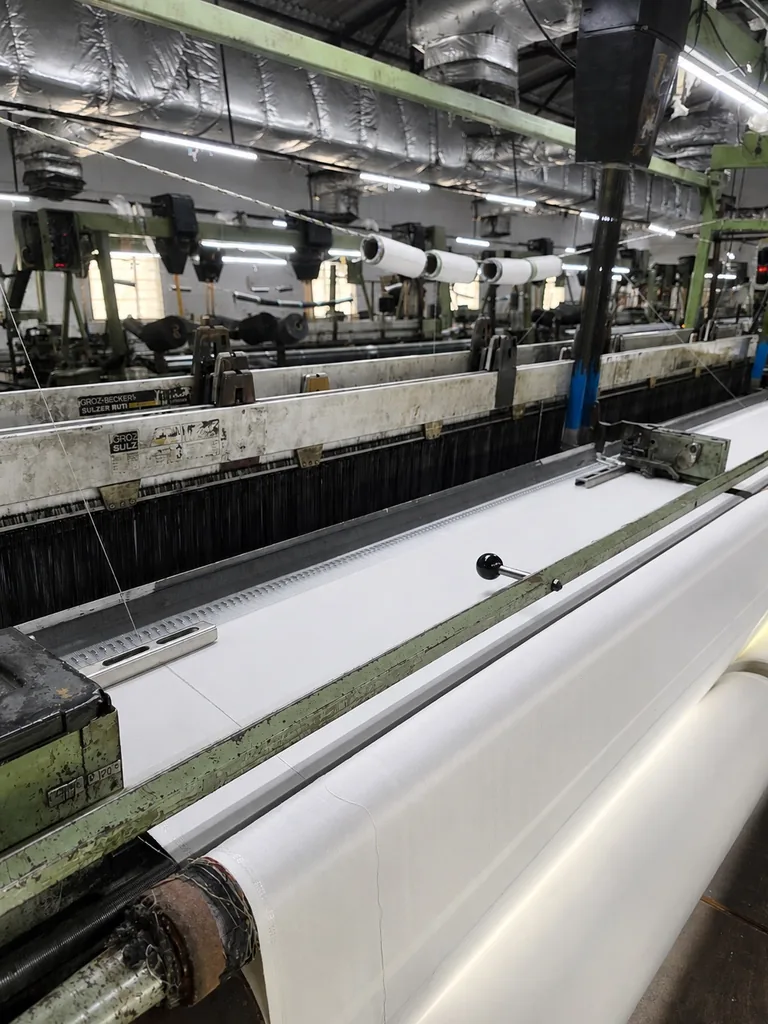
Weave-to-order means the cloth is made specifically for you, whether that is a bespoke shade or a construction we do not hold in stock. It carries the full production cycle, so custom weaving takes longer than shipping from stock. Any indicative timings below are general planning ranges, not commitments.
What drives lead time
For a made-to-order run, several stages sit between order and despatch, and each adds time. Understanding them helps you see where a schedule can stretch.
- Dyeing, since custom shades must be dyed and matched to an approved standard before weaving
- Weaving, which scales with the metreage ordered
- Finishing, where the cloth is relaxed, set and inspected
- Volume, as larger quantities occupy the loom and finishing lines for longer
- Order type, since ready stock skips dyeing and weaving entirely
Indicative planning ranges
The figures below are illustrative planning ranges to help you sketch a schedule, not fixed quotes. Confirm live timings with us against your shade, construction and volume before you commit dates.
| Route | Main work involved | Indicative planning range |
|---|---|---|
| Ready stock | Pick, check, pack | Short, despatches quickly |
| Ready stock, large volume | Consolidate across lots | A little longer |
| Custom shade to order | Dye, weave, finish | Noticeably longer |
| Custom construction to order | Full production cycle | Longest |
Treat these as directional only, since the actual figure depends on current loom loading and the specifics of your order.
Planning a rollout around it
Work backwards from the date wearers need to be in uniform. Allow time after fabric despatch for cut-and-sew, sizing and distribution, then set your fabric order date so the cloth arrives comfortably ahead of stitching. For seasonal demand, such as a school session start, order earlier because looms and dye houses across the industry are busiest then.
Remember the order minimums when you plan: 50 m per shade from ready stock, and 500 m per shade for custom shades or constructions woven to order. Choosing a ready-stock shade keeps both the minimum and the lead time low.
How to compress it
The single biggest lever is choosing from ready stock rather than commissioning a custom weave, which removes the dyeing and weaving stages altogether. Sonata, Grado 1st and Nano are practical ready-stock choices when the calendar is tight.
- Pick a ready-stock shade to skip dyeing and weaving
- Approve the shade and specification early so nothing waits on sign-off
- Order the full quantity at once rather than in stop-start batches
- Share the rollout date up front so production can be sequenced to meet it
What can still be changed once the order is running
Lead time is usually discussed as one total. What buyers actually need once an order is running is different: which decisions are still open today, and which have already closed behind them. Each stage shuts a door.
| Change you want | Still possible until | After that |
|---|---|---|
| Increase or reduce the quantity | The warp is beamed for the run | A top-up is a fresh warp and a fresh dye lot, with its own lead time and its own shade risk against the first batch |
| Change the construction or the GSM | The warp is on the loom | It is a different fabric, not a change; the running order continues as specified |
| Change the width | The warp is beamed | Width follows the reed and the warp, so it cannot be altered mid-run |
| Change the shade | The lot goes for dyeing | The lot is dyed; a new shade means a new lot, back from the recipe stage onward |
| Change the finish | The lot goes for finishing | Some finishes can be re-run, but re-processing costs handle and shade, so it is a judgement call rather than a given |
| Change the delivery split or destination | Packing and dispatch | Usually still workable, at the cost of freight and paperwork |
Two things follow. Quantity closes earliest and logistics closes latest, so if anything about the program is still uncertain, the number to pin down first is meters, not colour. And where dyeing and finishing run at a partnered processing house, as ours do, the practical cutoff is earlier than the table suggests: once a lot has left the mill for processing, changing it means recalling it. Tell us early when a figure may still move, because a warp that has not been beamed can often absorb it.
FAQ
Frequently asked questions
- How long does uniform fabric take to deliver?
- Ready-stock shades despatch quickly because the cloth already exists, while custom shades or constructions woven to order take noticeably longer. Any specific timing should be confirmed against your shade, construction and volume.
- Why does a custom shade take longer than ready stock?
- A custom order adds dyeing, weaving and finishing before despatch, whereas ready stock is already woven and finished and only needs picking, checking and packing.
- How can I speed up my fabric order?
- Choose a ready-stock shade to skip dyeing and weaving, approve the specification early, and order the full quantity in one go rather than in batches.
- How far ahead should I order for a school session?
- Order earlier than usual for seasonal peaks, since dye houses and looms across the industry are busiest then. Work backwards from the wear date and allow time for cut-and-sew and distribution after despatch.
- Does ordering a large volume from ready stock still take longer?
- A little, yes. A large ready-stock order may need consolidating across multiple lots, so despatch can take slightly longer than a small top-up, though still far less time than a custom shade woven to order.
- Which fabrics are good ready-stock choices when the rollout calendar is tight?
- Sonata, Grado 1st and Nano are practical ready-stock picks that skip the dyeing and weaving stages entirely, making them the fastest route to despatch when time is short.
- Can I increase my order quantity after production has started?
- Only until the warp is beamed for the run. After that a top-up is a separate warp and a separate dye lot, which carries its own lead time and its own shade risk against the first batch. If your headcount is still moving, say so before beaming and order to the higher figure, because trimming a quantity is far easier than adding to one.
Cite this guide
Quoting this page? Paste the line below so the credit links back.
<a href="https://www.bennycotts.com/guides/uniform-fabric-lead-times">Uniform Fabric Lead Times in India</a>, Benny Cotts, 2026Updated 6 September 2026 · Benny Cotts, Bhilwara
Fabrics
Fabrics mentioned in this guide
Spec, price and MOQ on every fabric page.
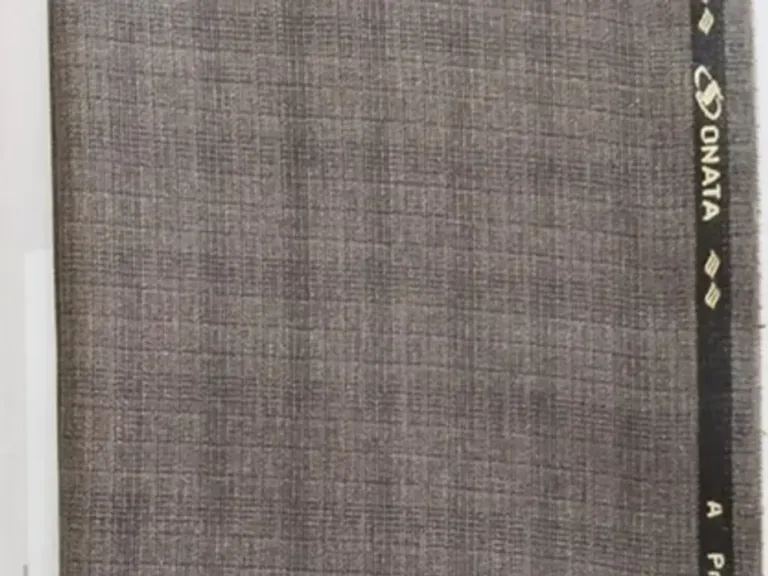
Sonata
Poly-Viscose blend · 190-210 GSM
Cost-efficient uniform fabric without compromising weave quality.
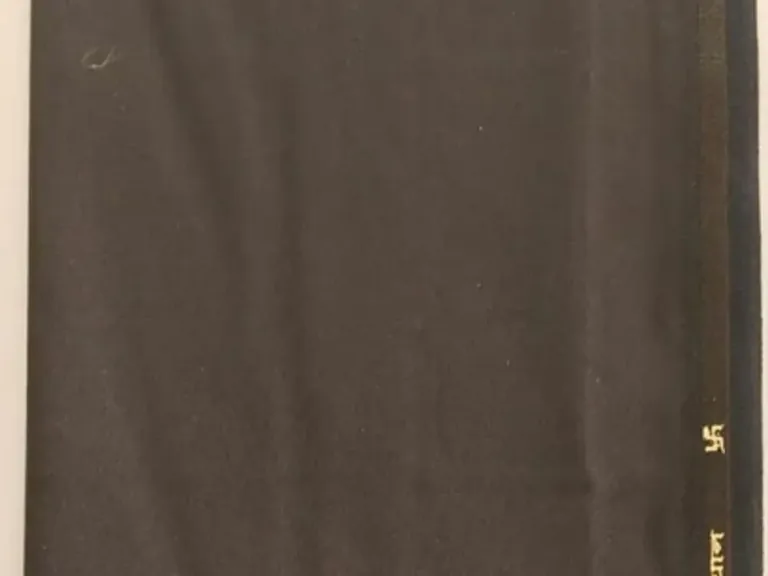
Grado 1st
Poly-Viscose blend · 220-240 GSM
Tailoring-grade fabric built for everyday durability.
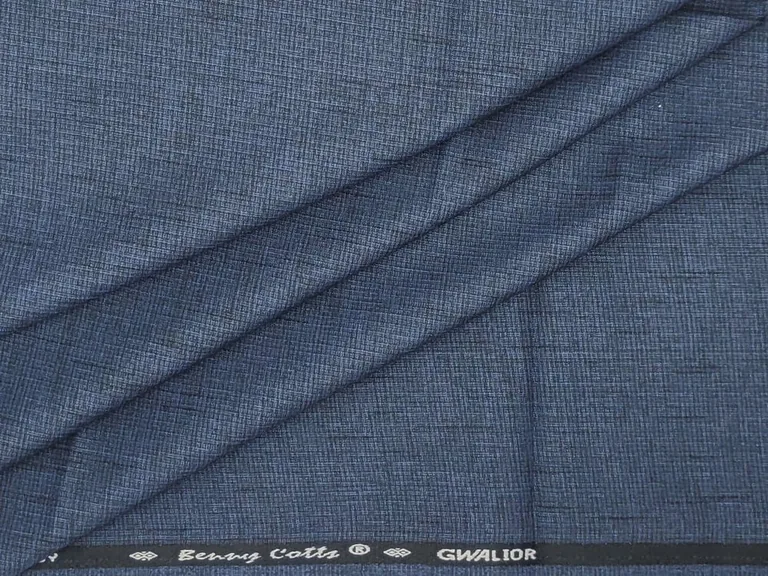
Nano
Poly-Viscose blend · 180-200 GSM
Our entry-level uniform fabric for large-volume programs.
Industries this applies to
Uniform programs these fabrics are used for
- Fabric for Business Attire
- Fabric for Corporate Uniforms
- Fabric for Corporate Shirts
- Fabric for Corporate Trousers
- Fabric for Blazers & Waistcoats
- Fabric for School Uniforms
- Fabric for College & University Uniforms
- Fabric for Sports & PT Uniforms
- Fabric for Pre-School & Kindergarten Uniforms
- Fabric for Doctor Coats
- Fabric for Nurse Scrubs
- Fabric for Lab Coats
- Fabric for OT & Surgical Wear
- Fabric for Patient Gowns
- Fabric for Hospital Staff Uniforms
- Fabric for Chef Coats
- Fabric for Salon & Spa Uniforms
- Fabric for Cabin Crew Uniforms
- Fabric for Ground Staff Uniforms
- Fabric for Army Uniforms
- Fabric for Police Uniforms
- Fabric for Security Guard Uniforms
- Fabric for Industrial Uniforms
- Fabric for Construction Workwear
- Fabric for Housekeeping Uniforms
- Fabric for Business Suits
- Fabric for Black-Tie Attire
- Fabric for Formal Event Wear
Fabric types covered here
Keep reading
Related guides
Ready to place an enquiry?