
Buying guide
How to Plan a Corporate Uniform Program
A step-by-step guide to planning a corporate uniform program, from choosing a fabric and shade to sizing the order, locking dye lots for reorders, budgeting per meter, and rolling out across a workforce.
Jump to section
Quick answer
A corporate uniform program starts with choosing one fabric and shade that suits every role, then sizing the total order across the workforce with a buffer for growth and replacements. Lock the dye lot at the first order so reorders match, and budget on a per meter basis using the meters each garment consumes. Plan the rollout in stages so fitting, distribution, and reorders stay manageable.
Choosing a fabric and shade
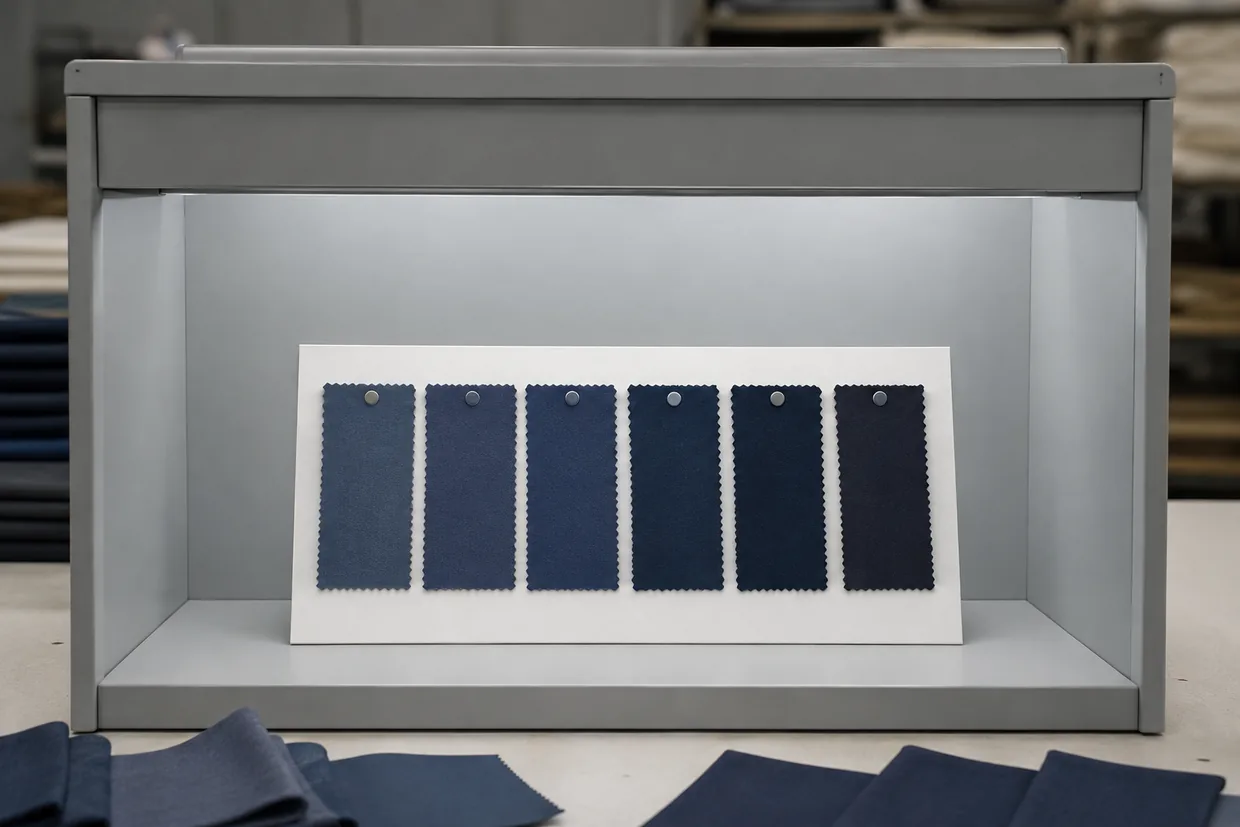
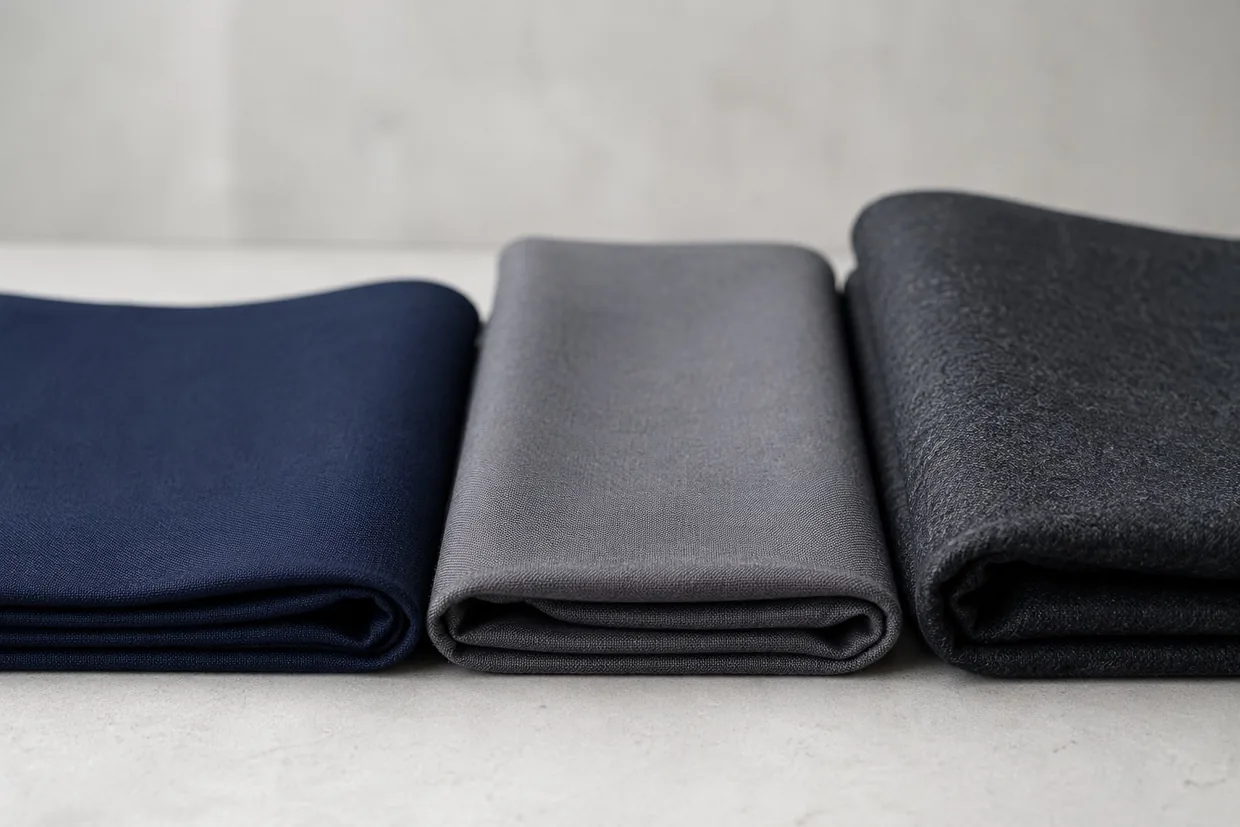
Pick one fabric and one shade that work across the whole program, since consistency is what makes a uniform look like a uniform. Match the weight to how the garments are worn day to day, then confirm the shade reads well under your workplace lighting.
Grado 1st at 220-240 GSM and Power Gold at 230-250 GSM suit sharper corporate looks, while Benzzi at 200-215 GSM offers a soft-handle plain weave and Fine Strip Dobby at 205-225 GSM adds a subtle texture. Choosing a single fabric family across roles keeps the program coherent.
Hybrid working has also shifted what "corporate" fabric means. Teams that split time between home and office increasingly ask for a softer-handle, easier-movement cloth rather than the stiffest, most formal suiting, especially for roles that no longer sit at a desk all day. A soft-handle plain weave such as Benzzi meets this brief without giving up wash-fastness or shape retention.
Sizing the order across a workforce
Estimate total fabric from headcount, the number of garments per person, and the meters each garment consumes, then add a buffer. A buffer covers new joiners, size exchanges, and replacements without triggering an early reorder.
- Count headcount by role and the garments each role receives.
- Multiply by the meters each garment consumes to get the base requirement.
- Add a buffer for new hires, exchanges, and wear replacements.
- Set a reorder trigger so stock never runs out mid-program.
Locking dye lots for reorders
Uniforms are rarely bought once, so plan for reorders from the start. Recording the exact fabric, shade, and dye lot at the first order lets later batches be matched to the original, keeping the fleet visually consistent as new garments are added.
Where possible, order enough at the first purchase to cover early reorders from the same lot, and confirm reorder expectations with your supplier so matching can be planned rather than chased.
Tiering fabric by role
| Fabric | Construction | Role fit |
|---|---|---|
| Power Gold | 230-250 GSM PV Twill | Senior and client-facing |
| Grado 1st | 220-240 GSM PV Twill | Core corporate uniform |
| Fine Strip Dobby | 205-225 GSM PV Dobby | Textured mid-tier option |
| Benzzi | 200-215 GSM PV Plain | Volume roles on a budget |
Tier fabrics by role rather than issuing one construction fleet-wide, so spend concentrates where it's visible and volume roles stay cost-efficient. Today Plus (205 GSM PV) and Delux-999 (208 GSM PV) sit alongside Fine Strip Dobby as further mid-tier options, Super Star (192 GSM PV) offers another volume-role alternative to Benzzi, and Grasima RF-5000, a heavier 262 GSM poly-viscose matty, suits programs wanting an even more substantial premium fabric above Power Gold.
Rolling out across the workforce
A staged rollout keeps fitting and distribution manageable. Start with a pilot group to confirm sizing and fit, then release to the wider workforce in waves so exchanges and adjustments do not overwhelm the process.
Ready stock shades can be ordered from 50 m per shade and custom shades from 500 m per shade, all woven at our own unit in Atoon, Bhilwara, and finished through trusted processing partners in the region. Width varies by quality, most commonly 147 or 150 cm, so confirm it on the product page before working out yardage. Planning order timing around these minimums keeps the program supplied without overstocking.
FAQ
Frequently asked questions
- How do I estimate total fabric for a uniform program?
- Multiply headcount by the garments each role receives and the meters each garment consumes, then add a buffer for new joiners, exchanges, and replacements. Budgeting on meters consumed is more accurate than counting finished garments.
- How do I keep reorders matching the first batch?
- Record the exact fabric, shade, and dye lot at the first order so later batches can be matched to the original. Ordering enough up front to cover early reorders from the same lot reduces the risk of a visible mismatch.
- Should I use one fabric or several across roles?
- Using a single fabric family keeps the program visually coherent, but you can tier fabrics by role to manage cost, for example a premium twill for client-facing staff and a budget plain weave for volume roles. Keeping the shade consistent matters most.
- What is the best way to roll out uniforms to a large team?
- Run a pilot group first to confirm sizing and fit, then release to the wider workforce in waves. A staged rollout keeps fitting, distribution, and exchanges manageable and surfaces problems before they scale.
- Has hybrid working changed what companies choose for corporate fabric?
- Yes. Teams splitting time between home and office increasingly ask for a softer-handle, easier-movement cloth rather than the stiffest formal suiting, especially for roles that no longer sit at a desk all day. A soft-handle plain weave such as Benzzi meets this brief without giving up wash-fastness or shape retention.
- Is there a fabric heavier than Power Gold for a premium corporate look?
- Grasima RF-5000, a heavier 262 GSM poly-viscose matty, sits above Power Gold for programs wanting an even more substantial premium fabric. It suits senior or client-facing roles where a heavier hand reads as more premium.
- Our garment vendor sources the fabric. Should we still approve it ourselves?
- Yes. Approve the fabric and the shade yourself and nominate both in the garment contract, so the vendor buys a cloth you have already tested rather than one that only matches a colour name. Keep a sealed reference swatch on your side for reorders. Our guide on how to buy uniform fabric in bulk sets out how a nomination is written so it holds.
Cite this guide
Quoting this page? Paste the line below so the credit links back.
<a href="https://www.bennycotts.com/guides/corporate-uniform-program-guide">How to Plan a Corporate Uniform Program</a>, Benny Cotts, 2026Updated 6 September 2026 · Benny Cotts, Bhilwara
Fabrics
Fabrics mentioned in this guide
Spec, price and MOQ on every fabric page.
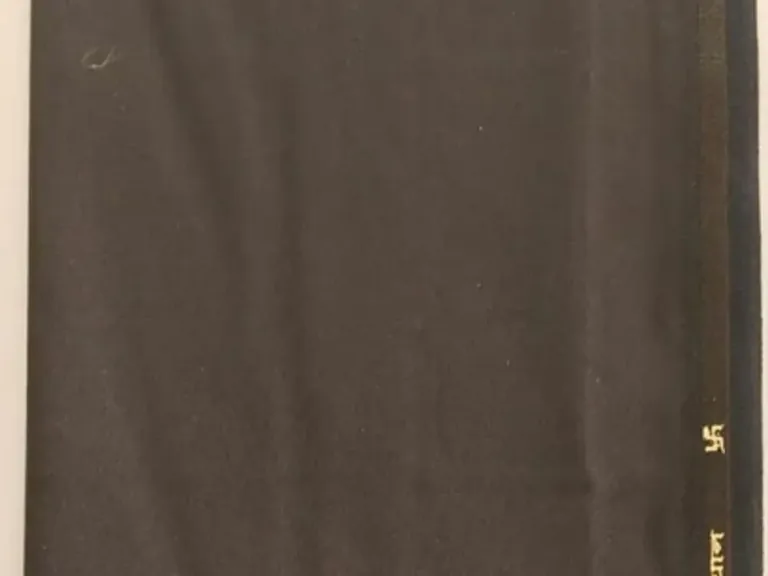
Grado 1st
Poly-Viscose blend · 220-240 GSM
Tailoring-grade fabric built for everyday durability.
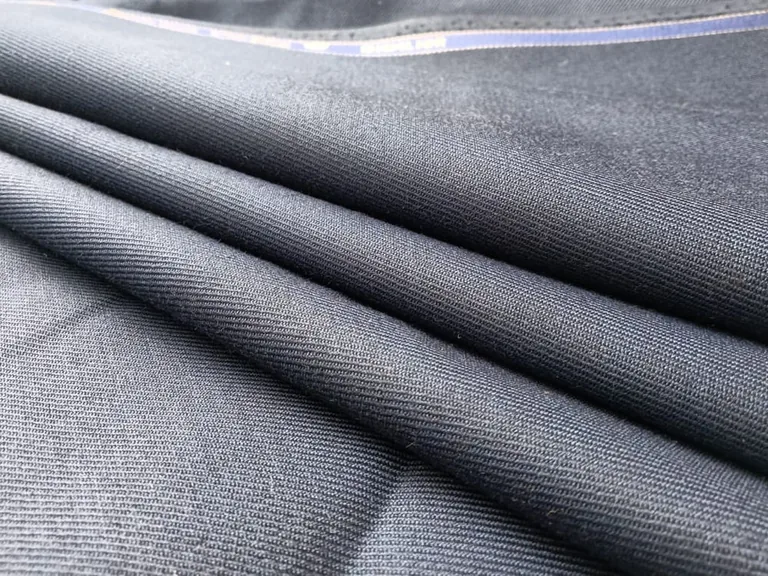
Benzzi
Poly-Viscose blend · 200-215 GSM
Soft-handle suiting suited to all-day wear.
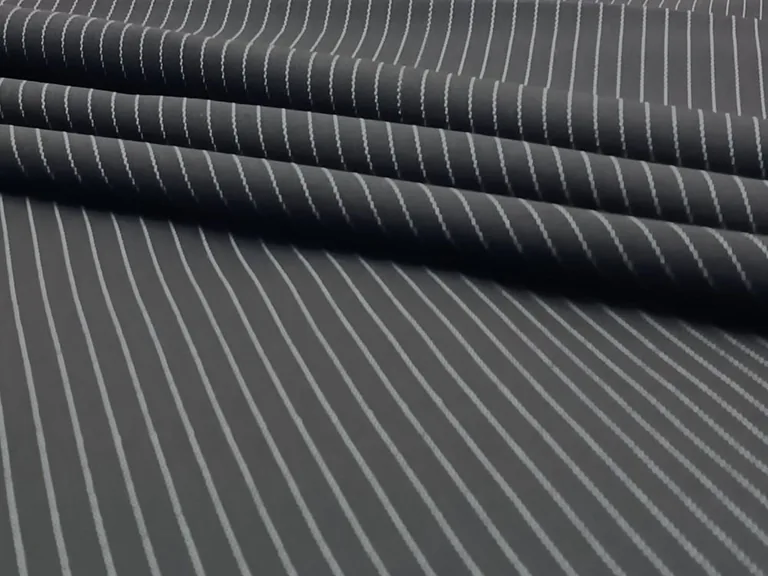
Fine Strip Dobby
Poly-Viscose blend · 205-225 GSM
Subtle dobby texture for executive uniforms.
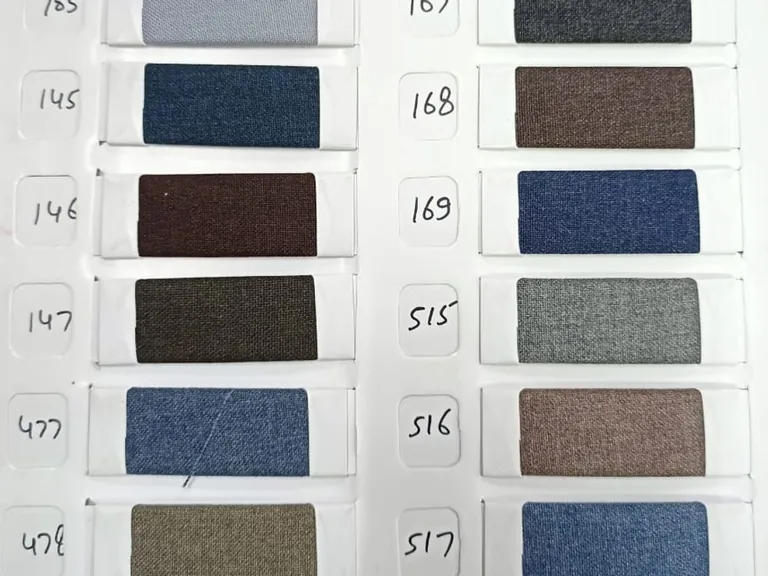
Power Gold
Premium Poly-Viscose blend · 230-250 GSM
Our premium-line suiting with a refined hand and superior drape.
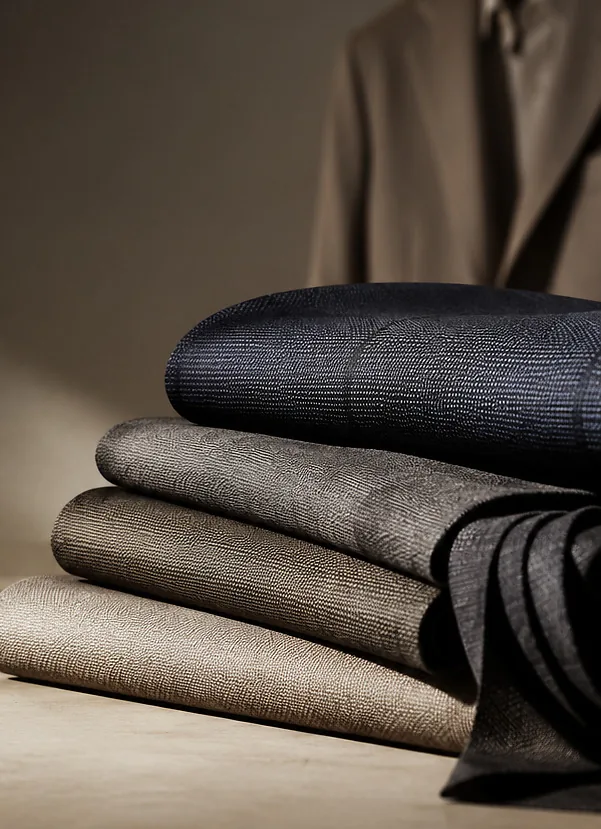
Today Plus
Poly-Viscose 65/35 · 205 GSM
Versatile mid-weight poly-viscose for corporate uniform programs.
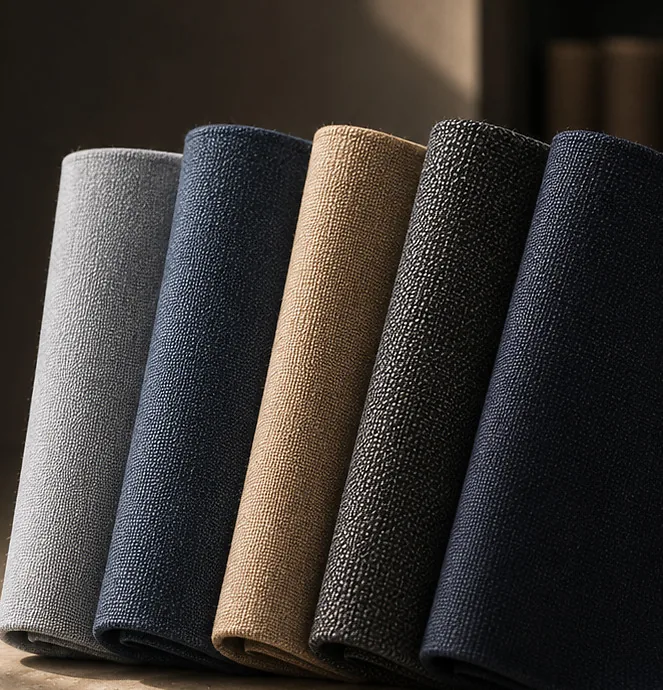
Delux-999
Poly-Viscose 65/35 · 208 GSM
Mid-weight poly-viscose suiting with a clean, versatile finish.
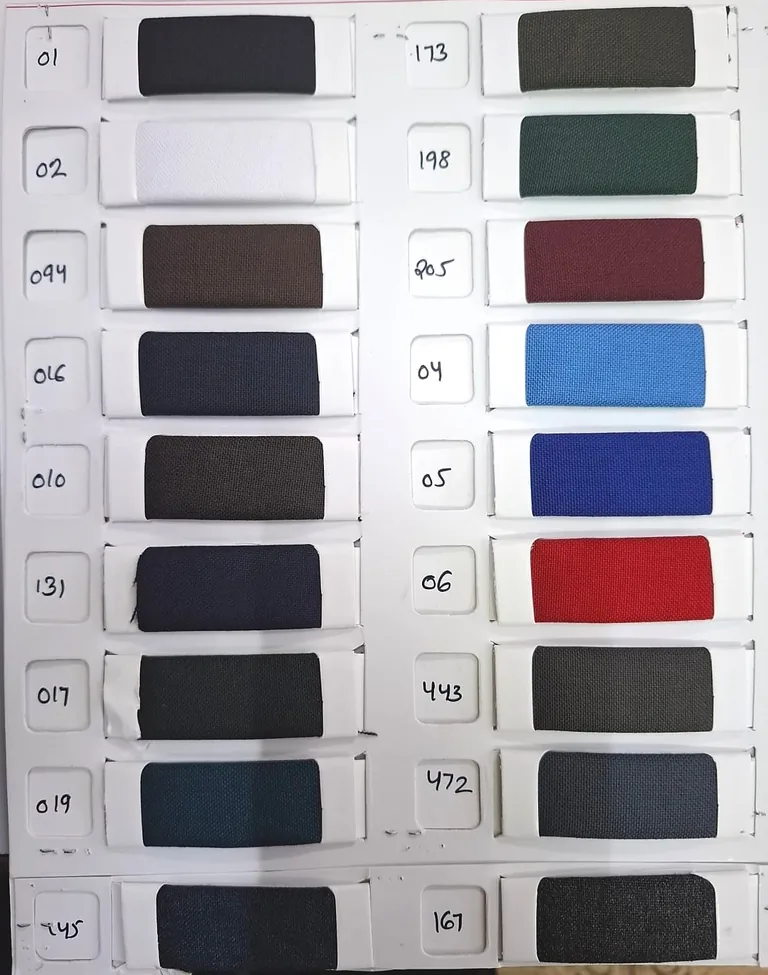
Grasima RF-5000
Poly-Viscose 65/35 · 262 GSM
Heavyweight poly-viscose matty with a rich, full-bodied handle.
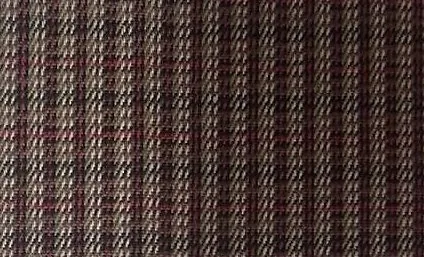
Super Star
Poly-Viscose 70/30 · 192 GSM
Poly-viscose uniform cloth woven with a bright pink pick.
Industries this applies to
Uniform programs these fabrics are used for
- Fabric for Business Attire
- Fabric for Corporate Uniforms
- Fabric for Corporate Shirts
- Fabric for Corporate Trousers
- Fabric for Blazers & Waistcoats
- Fabric for School Uniforms
- Fabric for College & University Uniforms
- Fabric for Doctor Coats
- Fabric for Nurse Scrubs
- Fabric for Lab Coats
- Fabric for OT & Surgical Wear
- Fabric for Hospital Staff Uniforms
- Fabric for Hotel Uniforms
- Fabric for Chef Coats
- Fabric for Waiter Uniforms
- Fabric for Salon & Spa Uniforms
- Fabric for Cabin Crew Uniforms
- Fabric for Ground Staff Uniforms
- Fabric for Police Uniforms
- Fabric for Business Suits
- Fabric for Black-Tie Attire
- Fabric for Formal Event Wear
Fabric types covered here
Keep reading
Related guides


Ready to place an enquiry?