
Fabric basics
Why Reorders Do Not Match: Dye-Lot Consistency
Why a uniform reorder can come back a slightly different shade, what a dye lot is, and how to lock a colour so every batch matches across a program.
Jump to section
Quick answer
Reorders drift in shade because each dye lot is mixed and fixed as its own batch, and no two batches are ever perfectly identical. The fix is to treat colour as a controlled spec: lock an approved shade against a physical standard, order program quantities in one lot where possible, and buy from a mill that holds every shade to that standard through its own weaving and its processing partners, rather than a trader pooling fabric from whatever lot is available.
What a dye lot actually is
A dye lot is a single batch of fabric dyed together in one run. The dye recipe, water chemistry, temperature and time are controlled per batch, but tiny variations between batches are unavoidable. That is why every shade has a tolerance rather than a single absolute value.
For one garment this is invisible. Across a uniform program, where a shirt bought in April sits next to a replacement bought in November, even a small shift becomes obvious under the same lighting.
Why shades drift between orders
- Different dye lots: the single biggest cause; each batch varies within tolerance.
- Fabric from pooled stock: traders often ship whatever lot is on hand, so two deliveries rarely share a lot.
- Recipe or supplier changes: a switched dye source or yarn supplier shifts the base.
- Lighting: a shade that matches in daylight can look different under office or shop light (metamerism).
- Finishing variation: pressing, heat-setting and calendering all nudge the final appearance.
How to lock a shade across a program
The reliable method is to make colour a written spec, not a verbal one.
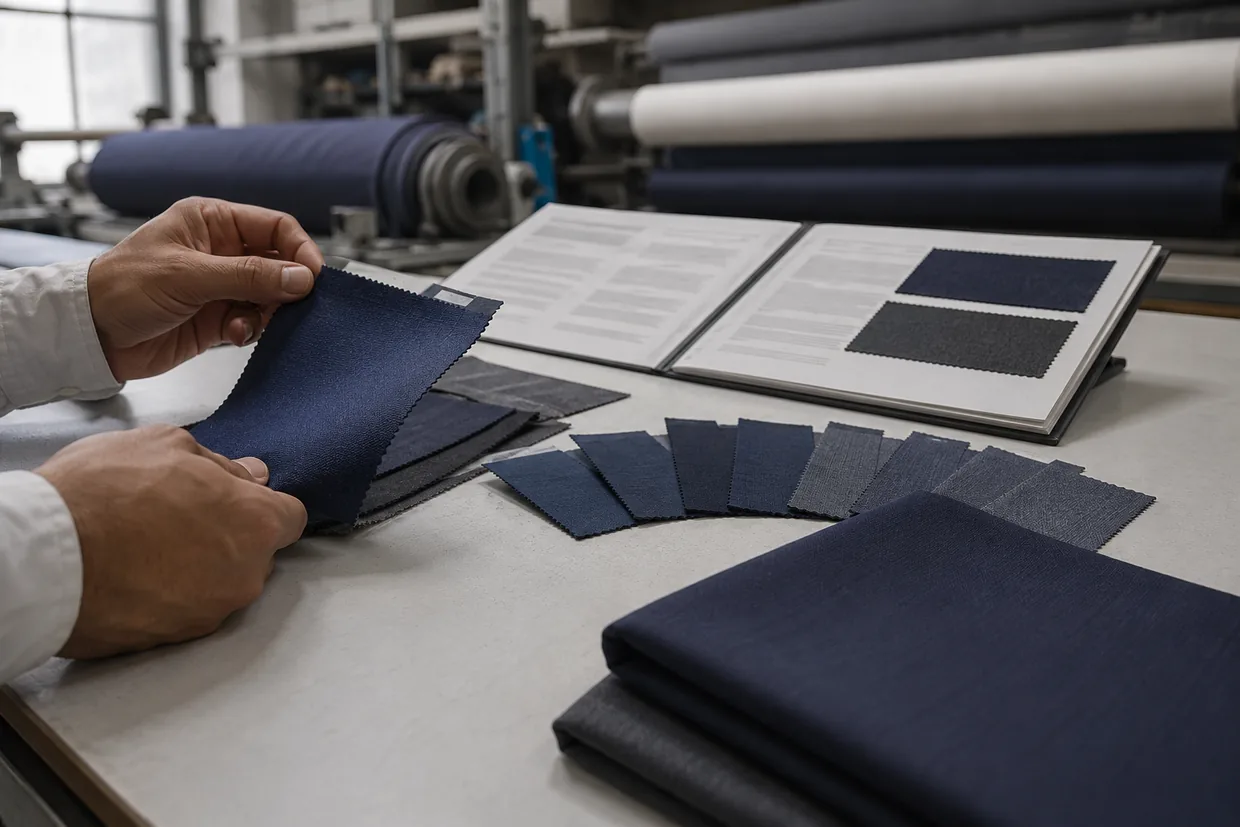
- Approve a physical standard: sign off a swatch and keep a sealed reference copy.
- Order the full program quantity in one lot where the volume allows.
- For staged rollouts, reserve fabric against one approved lot for future draws.
- Specify a tolerance and a viewing light (for example, daylight D65) in the order.
- Record the fabric name, shade reference and lot number on every purchase order.
Why a mill beats a trader for consistency
When the same house controls sourcing, blending, weaving and dispatch, it can hold a shade against a standard and reserve lots for a program. A trader buying and reselling finished fabric cannot, because the stock turns over lot by lot.
Benny Cotts weaves at its own unit in Atoon and works with trusted processing partners in the region to dye and finish every order, which is why we can match a custom shade, lock it as its own dye lot, and hold that reference for reorders. Poly-viscose blends help too: synthetic-rich cloth is easier to match batch to batch than cotton.
For the full picture of what gets checked at each stage, see our guide on how we test our fabric.
| Sourcing model | Shade consistency | Reorder risk |
|---|---|---|
| Mill: own weaving plus partnered processing | Shade matched and locked as its own dye lot | Low, when a physical standard is kept on file |
| Trader: pooled stock from various lots | No control over which lot ships next | High, since two deliveries rarely share a lot |
When the programme is split across two suppliers
Everything above assumes one mill. A large share of institutional and corporate work is not awarded that way. Tenders are routinely split between two or three vendors to keep supply secure, and a corporate programme spanning regions often ends up with a different uniform supplier in each. The buyer then meets a problem none of the steps above solves: two vendors, each holding a shade correctly against its own approval, still produce two navies that do not match when the wearers stand together.
The cause is that each vendor matched to its own reference. A lab dip approved separately by each supplier gives each of them a defensible shade, and gives the programme two of them. Splitting an award does not remove the need for one standard, it makes that standard harder to hold, because nobody in the chain owns it by default.
- Keep the master physical reference with the buyer, not with either supplier. Both vendors match to a copy issued from it, and both copies are dated so a faded one can be replaced.
- Approve one shade standard and one tolerance for the whole programme, and state the viewing condition, for example daylight D65, so both vendors are judged the same way.
- Have both vendors submit against that standard at the same time, and compare the two submissions to each other as well as to the reference. Two cloths can each sit inside tolerance against the standard and still be visibly apart from each other.
- Ask each vendor which lot a delivery came from and record it, so a drift can be traced to a vendor and a lot rather than argued in general terms.
- Where the construction differs between vendors, expect the same recipe to read differently. Shade is a property of the finished cloth rather than of the dye recipe, so a different weave or weight will not match on the same approval.
Where the two shades cannot be brought close enough, the fallback sits at the garment rather than at the cloth: segregate by vendor so one wearer never holds a shirt from one supplier and trousers from another, and issue whole sets from a single source. It is less tidy than matching the cloth, and it works. Lab dips and shade approval covers how a standard gets set in the first place, and inspecting fabric on delivery covers recording the lot against every delivery.
FAQ
Frequently asked questions
- Can two dye lots ever be identical?
- No. Every batch varies slightly within a tolerance. The goal is not zero variation but keeping variation inside an approved, agreed limit.
- How do I guarantee my reorder matches?
- Approve a physical shade standard, order program quantities in one lot, and reserve fabric against that lot for later draws. Put the shade reference on every purchase order.
- Does fabric type affect shade consistency?
- Yes. Poly-viscose and other synthetic-rich blends hold and match colour more predictably than cotton, which is one reason uniform programs favour them.
- Our trousers are woven and our polos are knitted. Why do the two navies not match?
- Because substrate changes what a shade looks like even when the recipe is close. A knitted polo has a looped structure with a different surface and light response to a flat woven twill, it is usually a different fibre blend, and it is normally dyed by a different supplier against its own reference. Three separate sources of difference stack up, and none of them means either item is wrong. On a mixed programme, approve the woven cloth first and match the knit to it, since the woven suiting is the larger and less flexible part of the order, then approve both physically side by side under one light source rather than signing each off on its own. Expect a family match rather than an exact one, and put the tolerance in writing before either goes into production. We supply woven fabric only, so the knit half sits with your garment supplier: give them the same reference you gave us.
- Why did my shade match in the shop but not at work?
- This is metamerism: two samples matching under one light but not another. Always approve a shade under the light the uniform will actually be seen in.
- Does finishing affect how consistent a shade looks?
- Yes. Pressing, heat-setting and calendering are applied per batch and each nudges the fabric's final appearance slightly, which is one more reason two deliveries can look subtly different even from a well-matched dye lot.
- Why does sourcing from a mill reduce reorder risk compared to a trader?
- A mill that controls sourcing, weaving and dispatch can hold a shade against a standard and reserve a lot for your program. A trader reselling pooled stock has no control over which lot ships next, so consecutive deliveries rarely share a lot.
Cite this guide
Quoting this page? Paste the line below so the credit links back.
<a href="https://www.bennycotts.com/guides/dye-lot-consistency">Why Reorders Do Not Match: Dye-Lot Consistency</a>, Benny Cotts, 2026Updated 7 September 2026 · Benny Cotts, Bhilwara
Fabrics
Fabrics mentioned in this guide
Spec, price and MOQ on every fabric page.
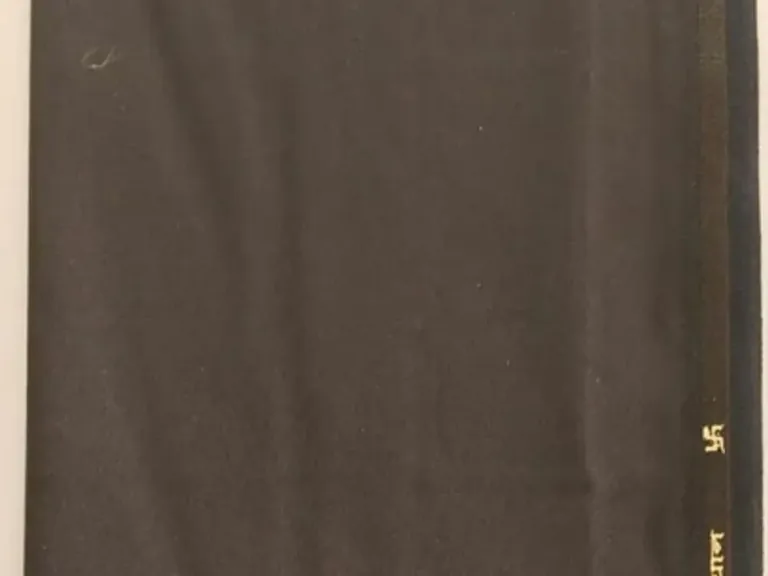
Grado 1st
Poly-Viscose blend · 220-240 GSM
Tailoring-grade fabric built for everyday durability.
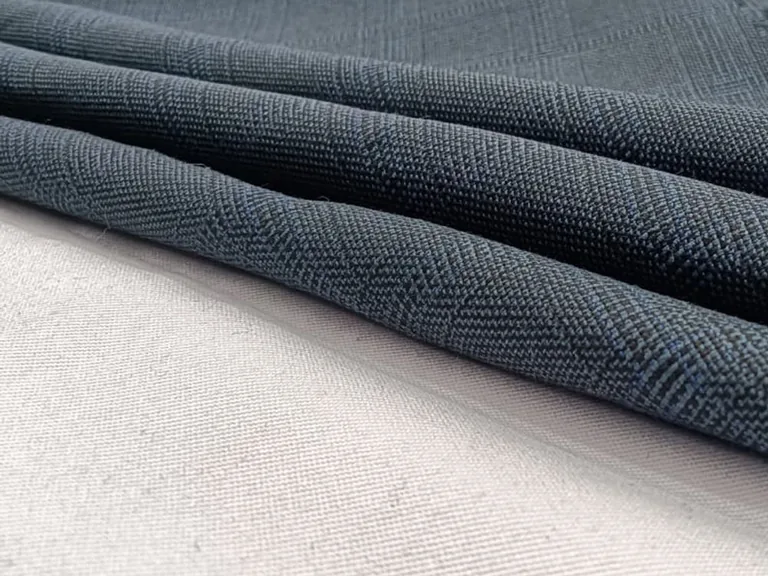
Benzer Special
Poly-Viscose blend · 200-220 GSM
Versatile PV blend optimized for uniform programs at scale.
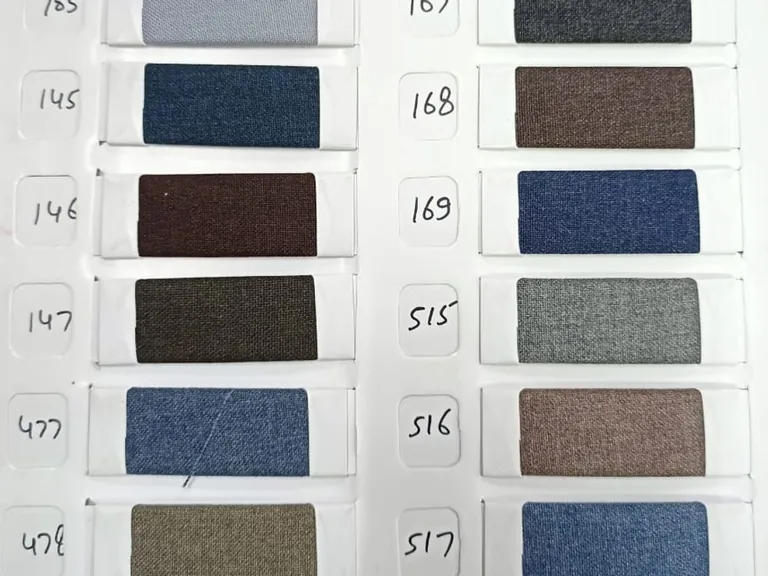
Power Gold
Premium Poly-Viscose blend · 230-250 GSM
Our premium-line suiting with a refined hand and superior drape.
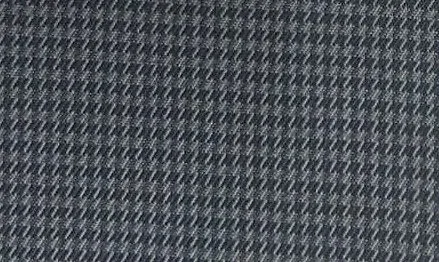
Colour-5555
100% Polyester · 188 GSM
Colour-fast polyester trovin in a mid-weight everyday uniform cloth.
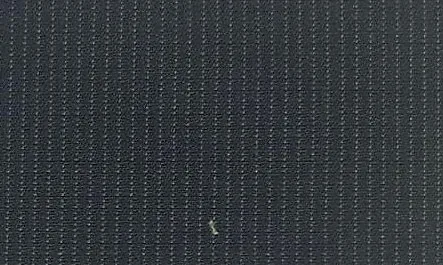
Super Troven-7200
Poly-Viscose 65/35 · 188 GSM
Colour-fast poly-viscose trovin for everyday uniform wear.
Industries this applies to
Uniform programs these fabrics are used for
- Fabric for Business Attire
- Fabric for Corporate Uniforms
- Fabric for Corporate Trousers
- Fabric for Blazers & Waistcoats
- Fabric for School Uniforms
- Fabric for College & University Uniforms
- Fabric for Sports & PT Uniforms
- Fabric for Pre-School & Kindergarten Uniforms
- Fabric for Doctor Coats
- Fabric for Lab Coats
- Fabric for Hospital Staff Uniforms
- Fabric for Hotel Uniforms
- Fabric for Waiter Uniforms
- Fabric for Cabin Crew Uniforms
- Fabric for Ground Staff Uniforms
- Fabric for Police Uniforms
- Fabric for Housekeeping Uniforms
- Fabric for Business Suits
- Fabric for Black-Tie Attire
- Fabric for Formal Event Wear
Fabric types covered here
Keep reading
Related guides

Ready to place an enquiry?