
Fabric basics
Twill vs Plain Weave for Uniforms
How twill, plain weave and gabardine differ, and which suits trousers, shirts and structured uniforms best when specifying uniform fabric.
Jump to section
Quick answer
Plain weave interlaces warp and weft one over one, giving a flat, even, breathable cloth that suits shirts and lighter garments. Twill floats the yarn over two or more threads to form a diagonal line, which makes it heavier, more drapey and more resistant to soiling, so it favours trousers and structured jackets. Most uniform programmes use plain weave up top and twill below, matching each weave to the way the garment is worn.
What each weave is
A weave is simply the pattern in which the lengthwise warp yarns cross the crosswise weft yarns. Plain weave is the simplest of all, with each weft passing alternately over and under each warp, one over one. The result is a balanced, stable cloth with a flat surface and no visible direction.
Twill interlaces each yarn over two or more of the opposite set before going under, and shifts that float by one thread on each row. This staggering is what creates twill's signature look and feel, and it is the main reason the two weaves behave so differently in a finished uniform.
The diagonal line of twill
Because the floats step across the cloth in sequence, twill shows a clear diagonal rib running from one selvedge towards the other. Denim and gabardine are familiar examples of the same family. The angle and prominence of that line depend on the construction, and a finer diagonal reads as a smarter, more formal cloth.
Plain weave has no such line. Its evenness is an advantage where you want a clean, crisp face, such as a shirt, but it also means plain weave shows creasing and soil more readily than twill of a similar weight.
Strength, drape and where each suits
Twill's floats let the yarns pack more densely, which gives better drape, a softer fall and good resistance to abrasion and wrinkling. That makes it the natural choice for trousers and structured garments that must hold a shape and take daily wear. Plain weave is more open and breathable, sits flatter and presses to a sharper edge, which favours shirts and lighter tops.
- Twill for trousers, blazers and structured uniforms where drape and hard wear matter
- Plain weave for shirts and lighter garments where crispness and breathability matter
- Match weight to the weave, since a heavier twill and a lighter plain often pair well in one outfit
- Consider the wearer's climate and duty, as a densely woven twill retains a little more warmth
Typical uniform fabrics by weave
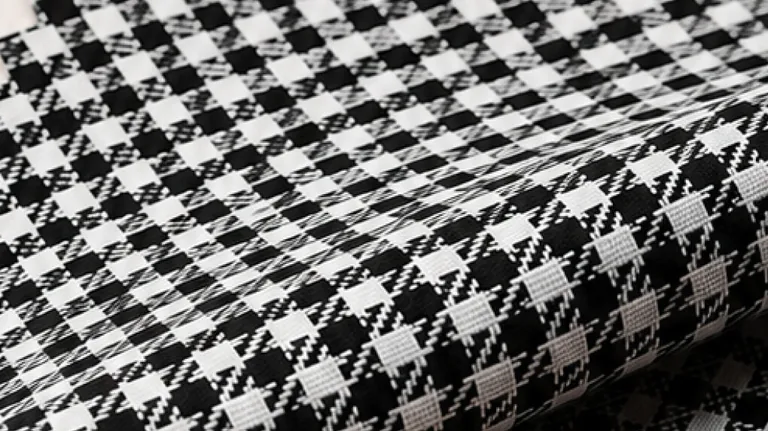
The table below groups a few of our poly-viscose suitings by weave so you can see how weight and weave tend to travel together. All are woven at our own unit in Atoon, Bhilwara, and finished through trusted processing partners in the region. Width varies by quality, most commonly 147 or 150 cm, so confirm it on the product page before working out yardage.
| Fabric | Weave | GSM |
|---|---|---|
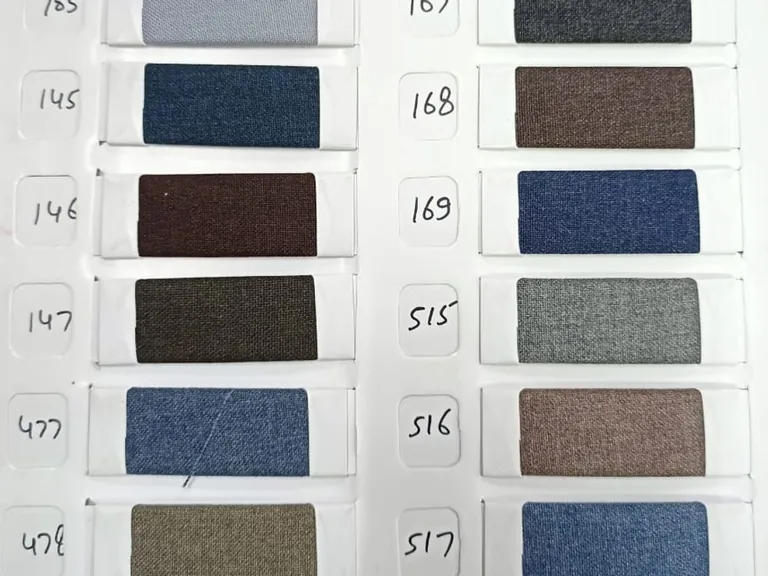
| Power Gold | Premium PV twill | 230-250 |
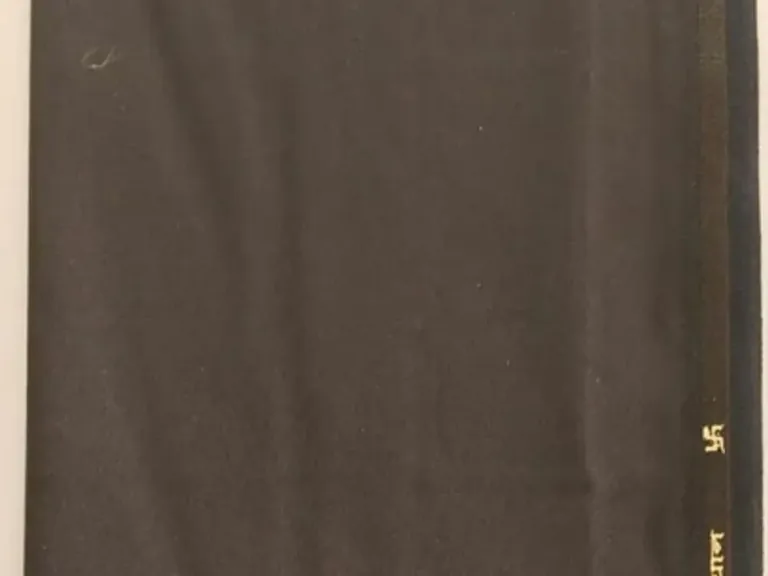
| Grado 1st | PV twill | 220-240 |
| Benzer Special | PV plain | 200-220 |
| Sonata | PV plain | 190-210 |
As a rule, the twills sit at the heavier end and suit bottoms and structure, while the plain weaves sit lighter and suit shirts and softer garments. The heaviest twill in the range sits well above this table: Premium Twill Check at 300 GSM, woven as a check for blazers, where structure matters more than breathability.
Twill vs gabardine: what's the difference
This one confuses a lot of buyers, and the answer is simpler than it looks: gabardine is not an alternative to twill, it is a twill. Twill names the family of weaves that float yarn over two or more threads to make a diagonal. Gabardine names one particular construction within that family.
What sets gabardine apart is the angle and the balance. It is warp-faced, with far more warp yarns per inch than weft, so the diagonal runs steep, usually around 63 degrees rather than the 45 degrees of an ordinary twill. That density gives gabardine a firmer hand, a much cleaner and flatter back, a tighter surface that sheds light rain and dust, and excellent crease retention. It also makes it costlier to weave than a standard twill of the same weight.
In practice: specify a general twill for most uniform trousers and jackets, where you want drape, durability and value. Specify gabardine when the garment has to read formal and hold a knife-sharp crease, such as officer dress uniforms, senior corporate wear and ceremonial trousers. Both are twills, so both behave better than plain weave under hard wear.
| Standard twill | Gabardine | |
|---|---|---|
| Relationship | The weave family | One construction inside that family |
| Diagonal angle | Around 45 degrees | Steep, around 63 degrees |
| Balance | Warp and weft more even | Warp-faced; warp density much higher |
| Back of cloth | Diagonal visible on both faces | Flat, clean, near-featureless |
| Hand | Softer, more drapey | Firmer, tighter, more compact |
| Crease retention | Good | Excellent |
| Cost to weave | Standard | Higher; more yarn per inch |
The same logic applies to the other named twills a buyer runs into. Denim is a warp-faced twill with a dyed warp and undyed weft; serge is a more balanced twill with the diagonal showing on both sides. All of them are twills first, and the name only tells you which construction.
A note on dobby
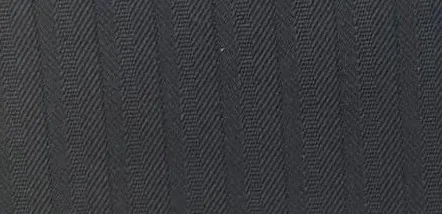
Between plain and twill sits dobby, woven on a loom attachment that lifts small groups of warp threads to build fine geometric textures such as stripes, dots or box effects into the cloth itself. Fine Strip Dobby is our poly-viscose dobby, and it gives a subtle patterned face without a printed finish. Our dobby weave and chambray guide goes into how the structure is built.
Dobby is worth considering when a programme wants visual interest or a premium feel while keeping the practical benefits of a woven, wash-fast uniform cloth.
FAQ
Frequently asked questions
- Is twill stronger than plain weave?
- At a similar weight twill usually resists abrasion and wrinkling better, because its floats let the yarns pack more densely. Plain weave is more stable and crisp but shows creasing and soil more readily.
- Why does twill have a diagonal line?
- Each yarn floats over two or more threads and the float steps across by one thread on every row. That staggered pattern forms the diagonal rib you see on twill cloth.
- Which weave is better for shirts?
- Plain weave suits shirts and lighter tops, as it sits flat, breathes well and presses to a sharp edge. Twill is generally kept for trousers and structured garments.
- What is a dobby weave?
- Dobby uses a loom attachment to weave small geometric textures such as fine stripes or dots into the cloth. Fine Strip Dobby is our poly-viscose dobby, giving a subtle woven pattern rather than a print.
- Does twill feel warmer to wear than plain weave?
- Yes, a densely woven twill retains a little more warmth than plain weave because its floats pack the yarns more tightly. Where climate or duty calls for a cooler cloth, a lighter twill or a plain weave keeps wearers more comfortable through the day.
- What GSM range do Benny Cotts' twill and plain weave suitings run?
- Twill suitings such as Power Gold and Grado 1st run 220 to 250 GSM, while plain weave suitings such as Benzer Special and Sonata sit lighter at 190 to 220 GSM. The twills' extra weight is part of what gives them better drape and durability for trousers.
- What is the difference between twill and gabardine?
- Gabardine is a type of twill, not a separate weave. Twill is the family of weaves that form a diagonal; gabardine is one warp-faced construction within it, with a much higher warp density and a steep diagonal around 63 degrees instead of 45. That makes gabardine firmer, flatter on the back and better at holding a crease, and more expensive to weave than a standard twill.
- Is gabardine better than twill for uniforms?
- Not better, different. Gabardine's firmer hand and crease retention suit formal and dress uniforms: officer dress wear, senior corporate wear and ceremonial trousers. A standard twill gives better drape and better value for everyday uniform trousers and jackets, which is what most programs need.
Cite this guide
Quoting this page? Paste the line below so the credit links back.
<a href="https://www.bennycotts.com/guides/twill-vs-plain-weave">Twill vs Plain Weave for Uniforms</a>, Benny Cotts, 2026Updated 31 July 2026 · Benny Cotts, Bhilwara
Fabrics
Fabrics mentioned in this guide
Spec, price and MOQ on every fabric page.
Power Gold
Premium Poly-Viscose blend · 230-250 GSM
Our premium-line suiting with a refined hand and superior drape.
Grado 1st
Poly-Viscose blend · 220-240 GSM
Tailoring-grade fabric built for everyday durability.
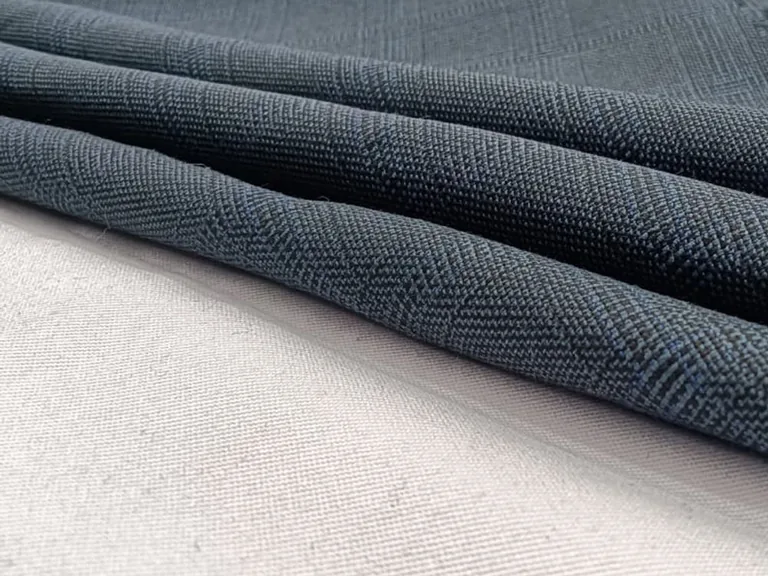
Benzer Special
Poly-Viscose blend · 200-220 GSM
Versatile PV blend optimized for uniform programs at scale.
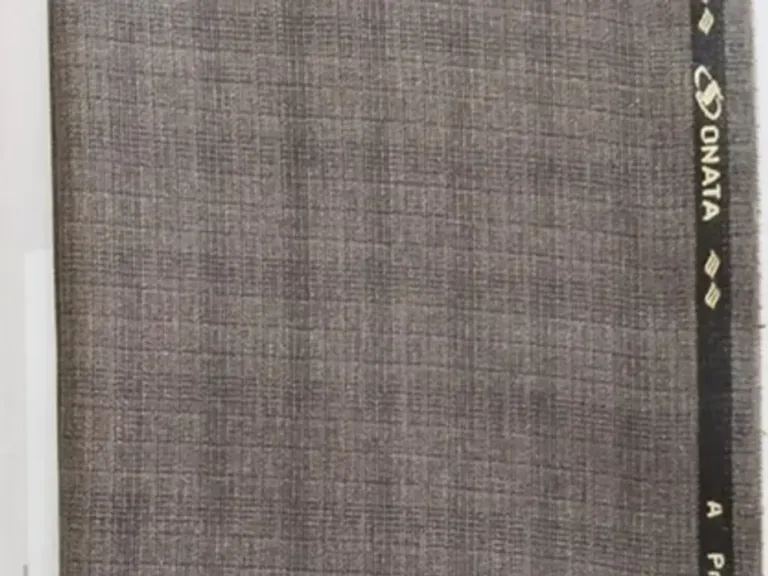
Sonata
Poly-Viscose blend · 190-210 GSM
Cost-efficient uniform fabric without compromising weave quality.
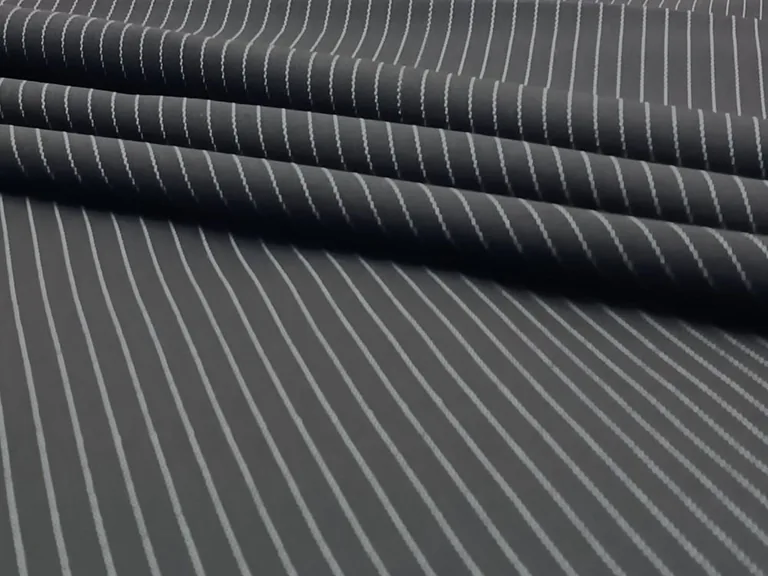
Fine Strip Dobby
Poly-Viscose blend · 205-225 GSM
Subtle dobby texture for executive uniforms.
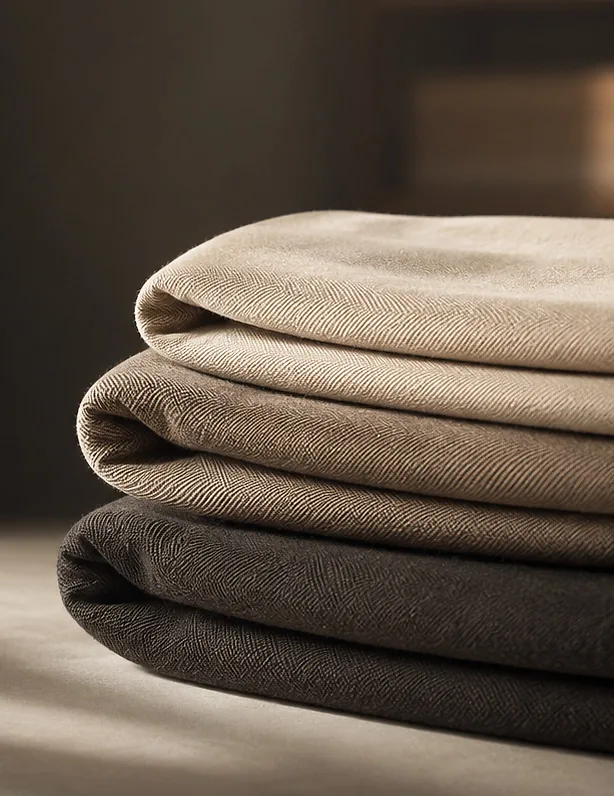
Premium Twill Makkhi
Poly-Viscose 70/30 · 205 GSM
Fine twill poly-viscose with a subtle makkhi speckle.
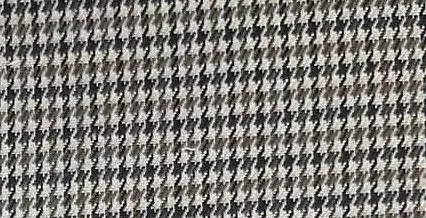
Commander Shirting 58"
Poly-Viscose 70/30 · 168 GSM
Fine 1/20 poly-viscose shirting in a full 58-inch width.
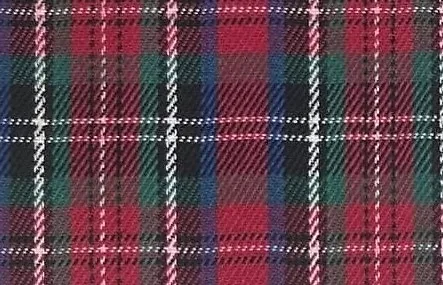
School Check Twill
Poly-Viscose 70/30 · 225 GSM
Twill-woven poly-viscose check built for school uniforms.
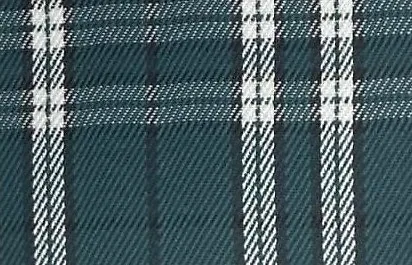
School Check Plain
Poly-Viscose 70/30 · 192 GSM
Plain-woven poly-viscose check built for school uniforms.
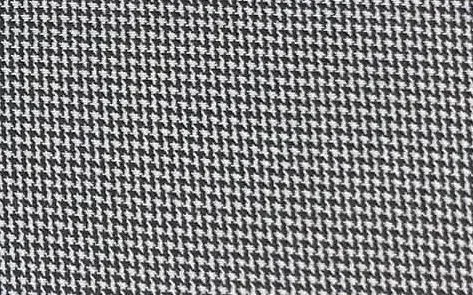
Commander Shirting 36"
Poly-Viscose 70/30 · 168 GSM
Fine 1/20 poly-viscose shirting in a narrow 36-inch width.
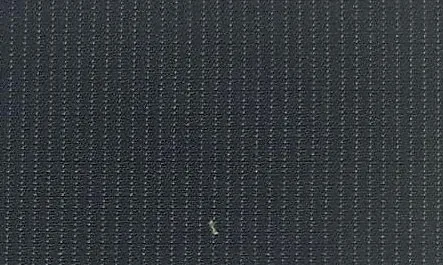
Premium Twill Makkhi Red
Poly-Viscose 70/30 · 205 GSM
Fine red twill poly-viscose with a subtle makkhi speckle.
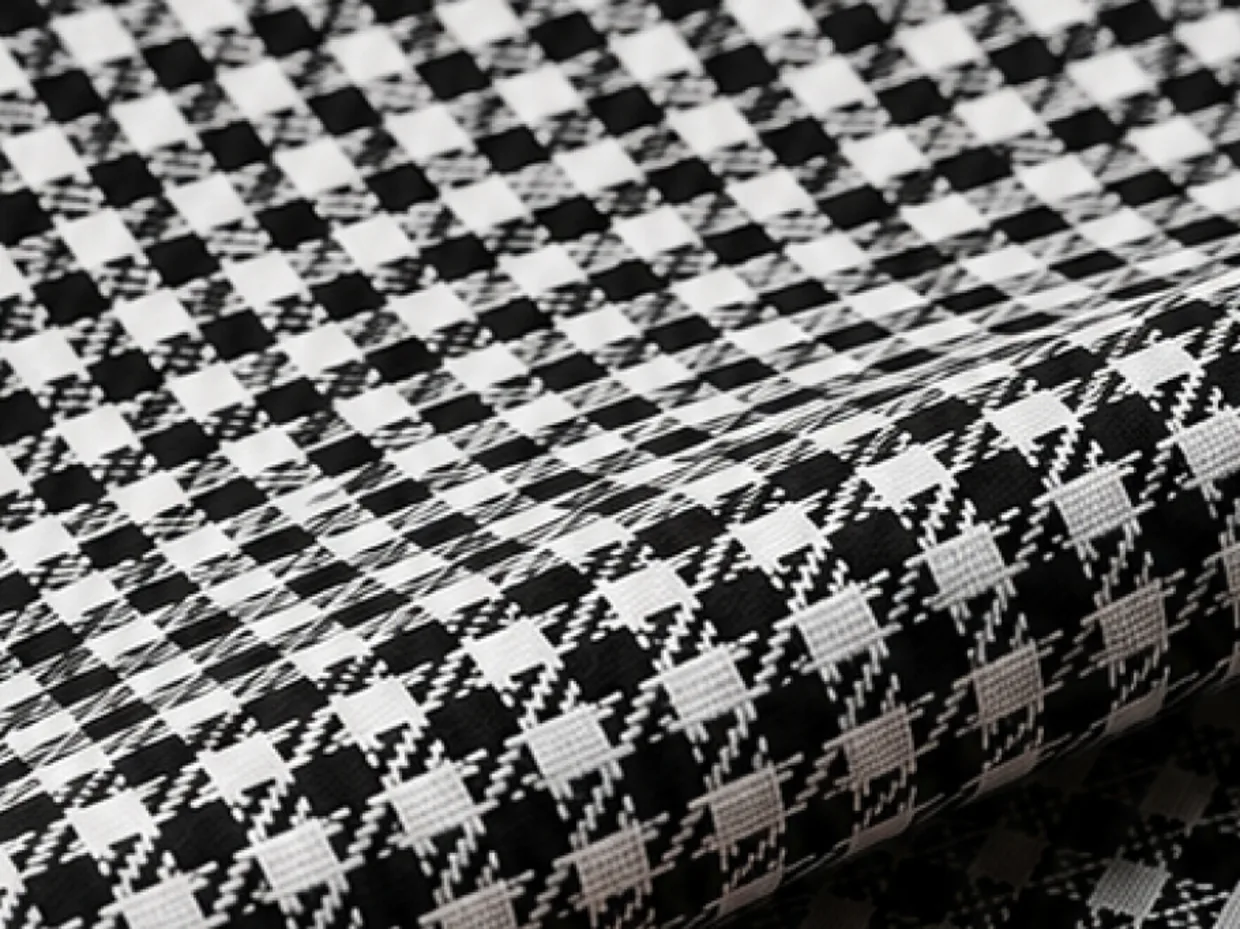
Premium Twill Check
Poly-Viscose blend · 300 GSM
Heavy 300 GSM poly-viscose twill check for blazers and uniforms.
Industries this applies to
Uniform programs these fabrics are used for
- Fabric for Business Attire
- Fabric for Corporate Uniforms
- Fabric for Corporate Shirts
- Fabric for Corporate Trousers
- Fabric for Blazers & Waistcoats
- Fabric for School Uniforms
- Fabric for College & University Uniforms
- Fabric for Sports & PT Uniforms
- Fabric for Pre-School & Kindergarten Uniforms
- Fabric for Doctor Coats
- Fabric for Nurse Scrubs
- Fabric for Lab Coats
- Fabric for OT & Surgical Wear
- Fabric for Patient Gowns
- Fabric for Hospital Staff Uniforms
- Fabric for Hotel Uniforms
- Fabric for Chef Coats
- Fabric for Waiter Uniforms
- Fabric for Salon & Spa Uniforms
- Fabric for Cabin Crew Uniforms
- Fabric for Ground Staff Uniforms
- Fabric for Police Uniforms
- Fabric for Housekeeping Uniforms
- Fabric for Business Suits
- Fabric for Black-Tie Attire
- Fabric for Formal Event Wear
Fabric types covered here
Keep reading
Related guides
Ready to place an enquiry?